Terremoto – Amatrice area’s Earthquake

Posted on

Tents

Direct Earthquake Relief Personally Delivered

The devastation is worrisome.  There is so much these people need.   The altitude in Amatrice is over 3,000 feet.  The average temperatures in September will soo be in the 50’s, with nighttime temps in the low 40’s.  It is imperative to get these people out of tents in the next month.  The Croce Rossa Italiana is a great organization and will move quickly to assist, but there needs more.

With investigation, and many discussions with friends in the area in Italy, it seems the best way to maximize the benefit of our donations is to get them directly to the affected residents.   Any donations collected by me will be given directly to the Italian Protezione Civile in Amatrice.  They are equivalent to our National Guard. They are the boots on the ground digging out the survivors and assisting in housing, etc/ for those affected by the earthquake.  The money donated to the Protezione Civile goes directly to help with supplying clothing, shoes and household items as well as food and water.  The Red Cross and the government will help with housing and the medical aid as well as food so I thought getting things directly into the hands of the most affected would do the most good.

I am asking that people consider contributing any amount they wish and I will be hand carrying the funds to Italy in early October to disburse directly.   You will know that the funds are getting directly to those most in need.  And, I have been told you will receive a written thank you from the Protezione civile.

You can make your donations at:  paypal.me/expresslyitalian.   I am keeping those funds separate from my business so there is no confusion for me and you can be assured it the donations dedicated to this cause are not co-mingled.

If you have any questions, please contact me at:   Kathleen@expresslyitalian.com

Thanks again for your generosity.    As I stated before, if you prefer you can make direct donations to the International Red Cross in Italy for the earthquake survivors at :
https://www.ammado.com/fundraiser/italy-eq/donate

As a Californian I can imagine how traumatic this level of damage is and how long the recovery will take.     Help all you can.  It will be gratefully accepted I know.

6 days later cat   So far this little guy is the last survivor –  pulled from the rubble on August 29th.

August+30,+2016.

Funerals started on August 29th.  There have already been many group burials and services.August30This was taken August 30th.  As you can see, the work has barely begun.

Aftermath of deadly Italy earthquake
A volunteer in a tent camp in Amatrice hit by earthquake on August 30, 2016 in Amatrice, Italy. Italy has declared a state of emergency in the regions worst hit by Wednesday’s earthquake as hopes diminish of finding more survivors. At least 290 people are now know to have died and around 400 injured with teams continuing to search the rubble of collapsed buildings. (Photo by Manuel Romano/NurPhoto via Getty Images)


Summer Thoughts

Posted on Updated on

I have been more than a little lax in keeping up with posts this summer.  I only wish it were because I was in Italy, but no such good fortune.  But, as August progresses, I am already thinking of my next trip, which is for the month of October.    I am putting shopping lists together already.    Do not forget to email me if you want me to shop for you.

In the interim, I wanted to share with you the recent posting of one of my favorite food writers, Rachel Roddy.  Rachel lives in Italy (a British export) and has written a lovely cookbook, “My Kitchen In Rome”.  Her style is simple, home cooking.

Often in American cooking we forget the importance of even the most simple of ingredients.  An Italian cook would never waste leftover bread and breadcrumbs are an important part of many Italian recipes.  Of course, their bread does not have any chemicals in it and always breaks my heart to see anyone waste even a really stale piece of it.

Here’s a recent column of Rachel’s.   I hope you’ll try her suggestions.

A simple Sicilian-style mix of breadcrumbs and almonds complements a wide array of recipes, but I find it’s best incarnation is as a crust for a fresh fillet of fish – serve with a tomato, caper and onion salad for a light summer supper

x-gu://gallery/https://mobile.guardianapis.com/img/media/70d61f399efeb427ae7da69cc5c3617c0a147b53/0_1076_8000_4800/master/8000.jpg/2e46bd8391385159de5942886ebdc8f0?width=900&height=-&quality=95

Fish in breadcrumbs with a tomato salad. Photograph: Rachel Roddy for the Guardian

Swordfish with breadcrumbs and almonds was one of the first meals I ate during my first visit to Sicily 12 years ago. I was in Catania, at one of the trattoria that seem to appear from nowhere once the fish market closes down for the day and scrubs up well for the night. The appearance of that slice of swordfish, seeming slightly suffocated by its topping, surprised me – especially after the wild excitement of the theatrical fish market that morning. It was like meeting up with your grandma after a night out with friends. But it was delicious pleasing – I still remember the flavour. Lots more breadcrumbs and almonds followed – not always together – on that trip, and those that came after I hooked up with a Sicilian. Sicilians use breadcrumbs all the time; a resourceful habit born of necessity and the idea that you never, ever throw away bread, which is now part of the fabric of their cooking. I have picked up the habit; I always have a big bag of fine, dry breadcrumbs in the kitchen. They’re almost irritatingly good at everything: stuffing, puffing, coating, topping and a tool to stop things sticSo, the place I borrowed the idea from was a restaurant in a town calledScoglitti, which is 30 miles along the coast from us here in Gela. The owners’ daughter, who is part French, is absolutely fabulous, with her red lips, denim hotpants and ankle boots. There is not much room for manoeuvre; she tells us in a deep voice that rolls from her lips: “I know what you want.” And you don’t doubt it. The antipasti start arriving, little dish after little dish: an oyster each; peeled, blood-red prawns that are some of the most plump and pure I have ever eaten; slices of raw tuna and swordfish; cubes of octopus and butterflies of anchovy; enormous, yellow mussels stretching like acrobats across their shells; tiny clams called telline,tasting like a liquor made from sea water; sardines rolled up so they look like little fat birds; and spatola with almonds and breadcrumbs served with sweet onions. Spatola is a long, flat fish as silver and shiny as a newly minted coin. At markets and in shops spatola are often coiled, making them look a bit like a neat drawful of glittery belts. Ours were served as long fillets cut into short lengths, topped with breadcrumbs and almonds, then baked until the fish had fallen into delicate, but firm flakes, the crumbs a comfy crust. It was were one of the least showy dishes, but one we appreciated a lot, homely and good. My son stashed clamshells to take home in his pocket; I put the idea in mine.

Rachel Roddy’s fish with an almond and breadcrumb crust recipe

A simple Sicilian-style mix of breadcrumbs and almonds complements a wide array of recipes, but I find it’s best incarnation is as a crust for a fresh fillet of fish – serve with a tomato, caper and onion salad for a light summer supper

Rachel Roddy

Publish

In the hope that this column is beginning to feel like a series, rather than string of unrelated episodes, I am starting where I left off last week, with breadcrumbs. More specifically, breadcrumbs with almonds, which makes them sound a bit fussy, though they aren’t. Quite the opposite in fact – a handful of crumbs, some chopped almonds and pinch of salt are easy and accommodating. Last week, I suggested toasting crumbs in olive oil, then putting them on pasta with slowly cooked courgettes, or their oversized Sicilian cousins, cucuzze. This week, I am going to return the idea to the place I borrowed it from, and suggest you put them on fish, which you then bake.

Swordfish with breadcrumbs and almonds was one of the first meals I ate during my first visit to Sicily 12 years ago. I was in Catania, at one of the trattoria that seem to appear from nowhere once the fish market closes down for the day and scrubs up well for the night. The appearance of that slice of swordfish, seeming slightly suffocated by its topping, surprised me – especially after the wild excitement of the theatrical fish market that morning. It was like meeting up with your grandma after a night out with friends. But it was delicious pleasing – I still remember the flavour. Lots more breadcrumbs and almonds followed – not always together – on that trip, and those that came after I hooked up with a Sicilian. Sicilians use breadcrumbs all the time; a resourceful habit born of necessity and the idea that you never, ever throw away bread, which is now part of the fabric of their cooking. I have picked up the habit; I always have a big bag of fine, dry breadcrumbs in the kitchen. They’re almost irritatingly good at everything: stuffing, puffing, coating, topping and a tool to stop things sticking.

So, the place I borrowed the idea from was a restaurant in a town calledScoglitti, which is 30 miles along the coast from us here in Gela. The owners’ daughter, who is part French, is absolutely fabulous, with her red lips, denim hotpants and ankle boots. There is not much room for manoeuvre; she tells us in a deep voice that rolls from her lips: “I know what you want.” And you don’t doubt it. The antipasti start arriving, little dish after little dish: an oyster each; peeled, blood-red prawns that are some of the most plump and pure I have ever eaten; slices of raw tuna and swordfish; cubes of octopus and butterflies of anchovy; enormous, yellow mussels stretching like acrobats across their shells; tiny clams called telline,tasting like a liquor made from sea water; sardines rolled up so they look like little fat birds; and spatola with almonds and breadcrumbs served with sweet onions. Spatola is a long, flat fish as silver and shiny as a newly minted coin. At markets and in shops spatola are often coiled, making them look a bit like a neat drawful of glittery belts. Ours were served as long fillets cut into short lengths, topped with breadcrumbs and almonds, then baked until the fish had fallen into delicate, but firm flakes, the crumbs a comfy crust. It was were one of the least showy dishes, but one we appreciated a lot, homely and good. My son stashed clamshells to take home in his pocket; I put the idea in mine.

I like it when a new idea, flung into the kitchen like a rubber ball, bounces around enthusiastically seeing where it fits, or doesn’t. First, there was pasta, then I used breadcrumbs and almonds to stuff aubergines and tomatoes, then came the fish: spatola, bream and mackerel. All three fish worked, but the mackerel was best: its thick, milky flesh is a good, sturdy match for the coarse, nutty crust. Fish and breadcrumbs need a foil, something to offer contrast: sweet, sour, salty, pungent. A salad of tomatoes, red onion and capers is a brilliant and typically Sicilian combination. If you wanted – or three more people turned up – you could bulk out the salad with bread too, or top it with some salted ricotta. Whatever fish you use, it all comes together quickly, but provides slow, good-flavoured food that satisfies but doesn’t sink you, which is what I ask for on these long, and fiercely hot, summer days.

Fish with a breadcrumb and almond crust

Serves 4
60g blanched almonds, chopped
1 unwaxed lemon
150g dry breadcrumbs
Salt and black pepper
A pinch of oregano (optional)
Extra virgin olive oil
4-8 fillets of fish (mackerel, bream, spatola, bass)

To serve
1 large red onion or several shallots
Vinegar
4 large ripe tomatoes
A handful of capers
Olive oil

1 Line a baking tray with greaseproof paper or foil and preheat the oven to 200C/400F/gas mark 6.

2 Peel and slice the onion into half moons, then soak for 20 minutes in water acidulated with 3 tbsp vinegar.

3 Mix the almonds, lemon zest and breadcrumbs with a pinch of salt, some pepper and the oregano, if using.

4 Brush the fillets with oil, then press the fillet side into the breadcrumb mix, so it is well coated. Lay the fillets skin-side down on the baking tray. Zig-zag with olive oil. Bake until cooked through and the crumbs are golden – which will take 10-15 minutes depending on the thickness of the fillets. – yYou need to keep an eye on them, and taste.

5 Chop the tomatoes over a plate to catch the juices. Drain the onion and capers, then mix with the tomatoes. Dress with olive oil and a pinch of salt, add a dash of vinegar if you like.

6 Serve the fish with the tomato salad and wedges of lemon.

  • Rachel Roddy is a food blogger based in Rome and the author of Five Quarters: Recipes and Notes from a Kitchen in Rome (Saltyard, 2015) and winner of the 2015 André Simon food book award.  You can find her column in “The Guardian” or at Rachel Eats on wordpress.

If you are running low on spices from Campo dei Fiori, I still have some available.  Email me at expresslyitalian@aol.com and tell me what you want.


Home Cooking Italian Style

Posted on

It is always a pleasure to have Italian casareccio (homemade food).    It is even more exciting to enjoy it here in the U.S. and made by a well known Italian cook.  Stefania Aphel Barzini has been in the United States giving cooking classes and having events for about a month.  She finally reached Los Angeles last week.  If you are not familiar with Stefania, take a side trip to her website:  www.follecasseroula.com.  She does cooking classes in Rome as well as special events and week long events in a few regions outside Rome.  And, if you’re planning on a trip to Rome, put her on your list of things not to be missed.   Her experience as a food writer, cookbook author and cooking show presenter shine through no matter what she does.

The first event in Los Angeles was sponsored by ArtBites.net.  Maite Gomez-Rejón’s company pairs art, history and cooking in tours and classes around the southland.  The cooking portion was to be a Tuscan lunch so Maite started at the Los Angeles County Museum talking of Florentine art and artists from the dark ages to the Renaissance. She is very knowledgeable about art history and food.  We then moved on to Surfas (a cafe/kitchen store in Culver City).  It’s a wonderful kitchen for classes and Stefania along with her assistant Paola made a magical afternoon that ended with a fantastic lunch.  They are all so experienced about foods, especially regional products throughout Italy I am always happy to join a class since there is always some new tidbit of information I have never before heard.


The lunch was a Tuscan luncheon and included a fabulous artichoke and potato soup, a panzanella salad and a couple kinds of bruschetta.  The meatballs in tomato sauce were unbelievably tasty and the peach upside down cake was a finishing treat.

When you travel finding a cooking class is  a great experience and wonderful way to connect to local cuisine and you will remember the experience a long time.

One of the best dishes Stefania prepared was Zolfini bean bruschetta.  Unfortunately, you cannot get these terrific beans here in the U.S.  They  are grown only in a limited area of Tuscany, and not exported.  But you can substitute northern navy beans.  Try this healthy, high protein antipasto.

Zolfini Bean Bruschetta

Toasted Bread (Italian)
2-1/4 cups zolfini or navy beans
a small rosemary branch
2 cloves of garlic
1 shallot. chopped
really good quality extra virgin olive oil
Sea Salt and Pepper
Sautè 1 garlic clove with the shallot and rosemary in a pan.  Turn into a crock pot, add the beans, cover them with water and let cook covered over low heat until beans are softened.  Depending on the age and size of the beans –  from 2 to 4 hours.  Purèe the mixture in a blender or use a stick blender.  Rub the bread with a garlic clove, then spread some beans over the top, add a drizzle of olive oil and a sprinkle of fresh ground pepper.  Serve immediately.  So simple, so good and so good-for-you.


Having access to the wonderful foods of Italy that are not readily available in the U.S. is my mission.  Expressly Italian is your personal shopper from Italy to you.  I want everyone, whether you travel or not, to experience real Italian tastes.  Much of the year I have some of the finest extra virgin olive oils (including olio nuovo till it’s gone) and honey from Sardinia (one of the only places on earth with no polution.  I want everyone to share the excitement of the wonderful spice mixes from Mauro Berardi’s Campo dei Fiori market stall.  I am contacted by people from all over the world asking how to acquire  Mauro’s mixes outside of Italy.   I have  his most popular mixes available all the time.    If you are interested in knowing all the items I bring back from Italy twice a year or want me to bring something (duty free) back for you, please drop me an email at:  expresslyitalian@aol.com and I will happily add you to my mailing list.

My love of Italy, the people, the food fuels my life.  I hope you share my joy in the Italian way of eating.


Ahhh Spring in Italy

Posted on

Although this year Spring is bringing such strange weather both here and in Italy, it is still Spring. It is the time of new beginnings, new growth, and celebrations all over the world.   Italy has wonderful events throughout the country, but some of my favorite are in Rome and all around Lazio.  If you will be in Italy during this month make sure you check into some of these very special events.

April 21st is the day celebrating the founding of Rome – Rome was founded in the year 753 BC and the city’s birthday falls on the 21st of April. Each year, various special public events, music concerts, live performances and festivals take place in the city.

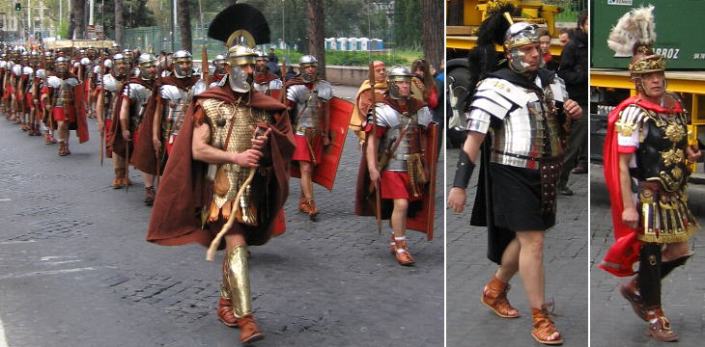
In Rome, on Sunday, April 24, beginning at 11 am the lighting of the ceremonial fire at the Circo Massimo, followed by a parade of Centurians, vestal virgins and other vestiges of the Eternal City, that winds around the Teatro Marcello, Via dei Fori Imperiali, Coliseum, Piazza Venezia and back to the Circo Massimo. Then there’s a re-enactment of the founding of Rome at the Circo Massimo, and a “great battle” between the Roman legions and the Barbarians from 3-6 pm. Admission is free.   If you’ve never been to a festival in Italy it is an experience you will not forget.  Circo Massimo

World renowned artist William Kentridge celebrates the realization of Triumphs and Laments: A Project for the City of Rome (the dedication is April 21st this year). This frieze is 550 meters long, between Ponte Sisto and Ponte Mazzini.Tiber _ Triumphs and Laments

The celebratory opening will include the premiere of a theatrical program created in collaboration with the internationally acclaimed composer Phillip Miller, and features a live shadow play and two processional brass bands preforming against the backdrop of the frieze. This is the first open-air space for contemporary art in the Eternal city.

The markets are filled with spring vegetables with the riotous colors lined up for the eye as well as the taste.  Fava beans, spring artichokes (hurry before the end of the month when they disappear, white asparagus, puntarelle (if you get there, do be sure to taste this wonderful curly green), agretti (a tangled sea-weed looking green is slightly bitter and slightly salty grass that tastes like the spring marshes where it grows.  There are many and well worth the trip for the veggies alone.


To really celebrate the food of Italy you can make some spring treats.  I have been lucky enough to find a few fabulous cooking classes and meet some amazing chefs.

Luisanna Messeri is from Tuscany, a great teacher and She was on Alice TV with a cooking show that still runs all the time and is now on Rai Uno with a cooking kitchen show as well as writing columns and publishing a number of cook books (unfortunately, none in English).

Here’s a great spring recipe from Luisanna..

Crema alla frutta
1 liter of water – a little more than a quart
5 organic lemons
300 gr. of sugar – 1-1/2 cups
60 g of cornstarch (corn starch) 1/4 cup
4 eggs
mixed fruit to taste
In a saucepan fitted with the eggs and sugar . Meanwhile, in a separate bowl, mixwith care the water and corn starch , so that no lumps are formed.
Combine the mixture to the saucepan with the eggs and sugar and mix well. Start to warm over low heat.
Then grate the zest of the lemon and the squeeze the juice into the cream. Then let the mixture cool in a bowl and put it in the refrigerator at least an hour . Cut your favorite fruits into cubes (she suggests berries, kiwi, apples and grapes and mix gently with the creme. Serve in cups or with a shortbread or cookie side. Fresh and tasty and very springlike.

I am also a huge fan of Stefania Apfel Barzini.  We are so lucky that she will be teaching in a number of locations in the U.S. next month.  You can check her website for more information:  www.follecasseroula.com.


Biancomangiare – also called blancmange in France and Turkey, or in the past blanche Mangieri , balmagier , bramagére , derives its name from the white color of its main ingredients: milky / or ground almonds.

The blancmange was a dish already prepared in medieval times. Presumably imported by the Arabs, it spread to Italy mainly in Sicily, in the twelfth century, where it is found in many cookbooks of the time. It is still a very popular dessert in the south.   This dish is often included in Stefania’s cooking classes.

BIANCOMANGIARE

Ingredients for 6 to 8 people (depending on the size of the molds):
1 liter of milk (about 4-1/4 cups)
250 gr. of sugar (1 cup)
75 gr. cornstarch (½ cup)
1 vial of almond essence. (This is different from almond extract) I bring it from Italy for clients
pistachio nuts for garnish
Sieve the starch, sugar into a saucepan.
Add the milk and the vial of almond essence, slowly stirring with a whisk so that no lumps are formed. Cook over low heat just until it bubbles quickly. Stir with a whisk until fluffy.  Wet ramikins or molds with cold water and pour mixture into each. Let rest in refrigerator for at least three hours.
Stefania inverts the ramekins onto a plate and decorates with the chopped pistachios.

This might be a good time to mention the benefits and ease of using metric measurements when cooking. It is soooooo much easier and more accurate.  Once you’ve weighed your flours, sugars, liquids you’ll never want to go back. Most bakers already use the metric system.  I know it’s a tough sell, but do try it at least once.

Now it is Cheese!

Posted on

It has been awhile since I’ve posted and partially it has been because it seems like I am on a constant rant about the quality and integrity of the extra virgin olive oil that is available in the U.S.  Unfortunately, our food sources have many more items that need  considerably more monitoring.  With the articles last week about the fillers used in bagged pre-shredded Parmiggiano I felt I could not ignore yet another attack on our food quality and our intelligence.

As a cook, I rarely buy pre-shredded cheese of any type, but it happens.  I know that buying pre-shredded cheese means the cheese starts out a little stale and I know it is easy for suppliers to use lesser quality grades of cheese to shred.  However, last weeks report of how big a percentage of wood pulp is in those pre-packed bags is more than a little disconcerting.  I understand they are trying to keep the cheese from clumping, as well as lower their costs.   However, the best method is adding wood pulp?  That is difficult to believe.  It really seems an economic rather than an rational decision.

It is worth noting that the lower priced brands (especially Walmart and Osco) have higher amounts of wood pulp — in one case, up to 8%.  But, Kraft, which labels their grated Parmesan as 100% cheese has almost 4 percent wood pulp.  How can this be acceptable?  It is apparently not enough to read labels, now we must devine what 100% natural means.

shredded Parm

I do not believe there is inherent danger in consuming wood pulp, in fact, it would seem wood pulp would be  much better for you than many of the chemicals they add to increase looks, anti clumping, and so many other supposedly necessary visual aids.   I do think we need to insist that the information be available on the package, not have to rout around the internet to find out accurate information about what we are putting in our families bodies.   There can only be concern on the manufacturers side about adding the information deterring us from buying their product.

Convenience is great, but if we are taking that convenience to the extreme of long term harm to ourselves and our families we need to reconsider.  And, we are paying a top price for that convenience and should that not include our safety?

In general it is of utmost importance to concentrate on supplying our tables with foods as close to fresh as possible.  Eating locally is always less expensive as is fresh.  Knowing your sources is  paramount.

Expressly Italian was started on the premise that we are offered products less than ideal at the grocery store level as well as the imported products.  By personally selecting and bringing the products directly from Italy I know the suppliers.  None are large manufacturers.  None export product to the United States.  I have only olive oils that I know come directly from the source.  I still have some of this season’s extra virgin olive oil available. And, truthfully, the olive oils, the honey and even the spices I offer are actually the same or less costly than what is available here.

I often bring Parmigiano Reggiano back with me as well.  There is a huge taste difference between what is available here.  Not sure why that is, but the flavor is just not as rich.  The spices from Campo dei Fiori enable a quick meal at any time with no fillers and lots of flavor.   And of the myriad of spice mixes now available I find the spice mixes from Mauro Berardi stay potent much, much longer than anything else.  And, they are hand mixed.  I do not believe there is dirt, substituted ingredients or any old sticks to be found in any of his spices.  Something few other spice providers can claim.  If you haven’t tried them, you should.  If you are interested in more information, please contact me at expresslyitalian@gmail.com.

If you are willing to take a few extra minutes to consider the quality of foods you are using, it is quite easy to have the healthiest of meals all the time and for a reasonable cost.  Plus knowing you are getting the full benefits of the vitamins, minerals and amino acids and fats you are consuming is satisfying in so many ways.
My advice: Take the time to read labels, search out good sources and stay with them.  Be skeptical.  Pay a little more for the best available.  I think you’ll find that the flavors are more intense, richer and fresher tasting.

Next time:   Famous cook, Stefania Apfel Barzini is doing some touring in the United States and doing some private dinners, some cooking exhibitions and cooking classes.  I hope to have a schedule soon.

SAMSUNG CAMERA PICTURES
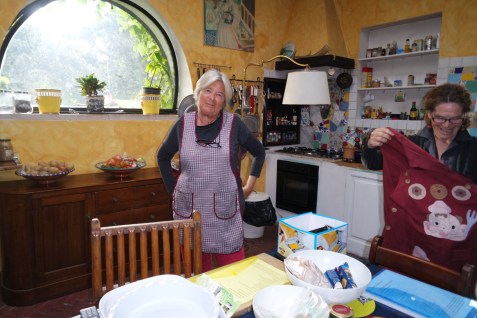
Stefania Barzini in her kitchen


Eating well without being in Italy

Posted on

All the New Year’s resolutions are in place.  Now to implement them.  There is a world of difference between intent and accomplishment isn’t there?   Oñe of my personal goals is to become an even more aware eater this year.  That means not just thinking before stuffing a biscotti in my mouth, but to question ingredients even more.

Frankly, it is pretty disheartening to realize how compromised our food system is.   Price is no guarantee of quality.  Reputable stores do not assure you products are really as advertised.    It has become a major job and time eater just to grocery shop.  And it is not all that much better in Italy these days.  So what do we do?

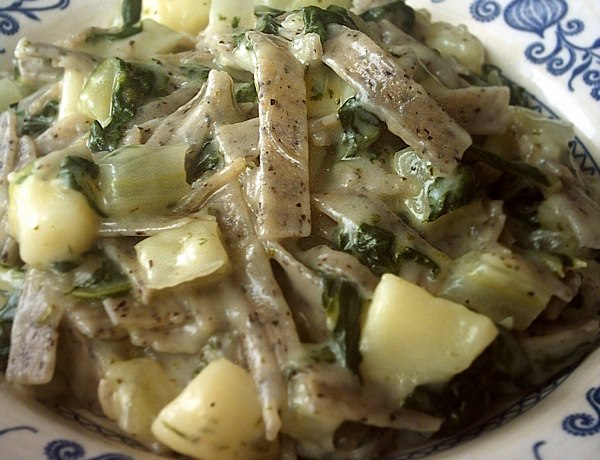
pizzoccheri
Pizzoccheri – made with buckwheat noodles

Keeping it simple helps a little.  Eat mostly fresh foods,  the closer I can stay to traditional Italian cooking, especially cucina povera, (cooking of the poor) the better.  It is not difficult to find good pasta in the U.S.  Look for good quality, especially bronze cut pastas.  Always check the dates.  It should be about year ahead for dried pasta.  I find that Berilla is one of the best selling dried pastas in Italy.  Good enough for me.  The artisanal pastas are great ( I often see them at TJ Maxx or World Market), and the different shapes are always fun, but I do not find them necessary for normal cooking.  (And, again, check dates.  Sometimes those are the oldest pastas).

With a well stocked pantry (in an upcoming post I will give a serious list to help) you can always cook a great, healthy dinner in less than 30 minutes.  Winter weather always makes me feel like Ribollita – the Tuscan bread soup.  It makes a huge pot that tastes better every day.   And, it makes me feel healthy.

Here’s a recipe I adapted to use Campo dei Fiori Spice Mix, and you can use Mauro’s Mix as well.

Ribollita  – Tuscan Bread Soup

This is a traditional Tuscan soup that stays good till you finish it. Days or even a week and it holds up perfectly. Supposedly it should be thick enough for a spoon to stand straight if you put it in the pot. I adjusted the recipe to use Campo dei Fiori Spice Mix or Mauro’s Mix  to ‘kick’ up the flavor a little more.   

1 onion finely chopped
1 leek sliced
2 quarts chicken broth
1 head kale or nappa cabbage or regular cabbage
2 stalks celery sliced
1/2 cup parsley leaves chopped
2 carrots sliced
2 zucchini sliced
1 small bunch basil leaves torn
1 10-ounce can cannellini beans or kidney or borlotti
2 tablespoons tomato paste
2 tsp Campo dei Fiori Spice Mix (to taste – you might start out with only 1 tsp and adjust)
1 teaspoon salt preferably sea salt
1/2 cup olive oil extra virgin
1/2 pound stale Italian bread
Freshly grated Parmesan cheese

Sautè onion and leek in 1/4 cup olive oil several minutes until translucent.
Add a cup of chicken broth and bring to a simmer. Add the kale, other vegetables, and basil to the onions and broth.
Cook for 20 min., covered. Add the beans and the rest of the broth. Add tomato paste, oregano and season to taste with salt and pepper.
Cook for 90 minutes. At this point it should not be thick. It is best to let the soup rest a day in the refrigerator. It does deepen the flavor a lot.
Put the soup in a pot and layer the soup with thin slices of day old bread. It doesn’t make any difference how stale, or whether it’s torn or sliced, or what kind (although a good Italian or French is best). Heat while stirring until the bread breaks up and thickens the soup. You can add more broth or water if needed (but I haven’t ever needed any).

When the soup is done, turn off the heat and stir in 1/4 cup olive oil. Taste for salt. Serve with fresh grated cheese on top. It just gets better and better. This is the typical cucina povera of Italy.  

Ribollita

It is unfortunate that we have to spend so much energy to decide what is good for us, but it is worth the time to protect your health.

I hate to continue to nag about olive oil, but it seems every week there is more evidence that so much of what is available is either mislabeled, overpriced or not even real olive oil.   If you did not see the expose on “CBS 60 Minutes” recently, look for the video online.  I know that much of the oils imported are not good, but I really didn’t think about the extent of mafia involvement.  I do know they send containers of oil to the U.S. which is then bottled here.  It can have sat waiting for customs in the heat for a month, which destroys most of the value of the extra virgin oil, but they still label and sell it as premium oil.   I used to hear that Europeans did not send their best oils because Americans did not know the difference.  Unfortunately, most Americans have still not tasted good olive oil.

A friend forwarded a newsletter from Brenda Watson, an author and expert on digestive health care.   She had lists of the ‘good’ and ‘bad’ olives oil.    This was apparently originally from a Consumer Reports study.  I won’t drag on about the ‘good’ list.  The bottom line is always, read the label.  It should have the per cent of acid in the oil, the date of harvest and best use by.  And, it is important to know exactly where it comes from.  In Italy, the city is always on the label, usually the type of olives and to qualify as extra virgin the acidity level must be below  0.8%.  Don’t pay for any extra virgin not labeled as such.

The bad oils are a real disappointment.  Those are most of the best known oils available in our stores.  Do not think you are getting the health benefits of olive oil if you are using these:

Bertolli, Carapelli, Colavita, Star, Pompeian, Filippo Berio, Mazzola, Mezzetta, Newman’s Own, Safeway and some of the Whole Foods oils (other than their 365).

I bring back only olive oil that I can find at the frantoio (olive mill), where they follow the very stringent laws of Italy to produce their extra virgin oil.  As often as possible I bring the olio nuovo (which is the first pressing of the beginning of the harvest).  It is rarely sold in stores.  And, the on-line sales run into the same problems of temperature variations and delays.  And, their prices are higher than mine.   I still have this season’s harvest oils so if you want to experience the true liquid gold of Italian Olive oil, get in touch with me at expresslyitalian@aol.com, or leave a note here.

In addition to olive oil, I still have honey from Sardinia and dried Porcini from my last trip.  I am constantly searching out the finest, freshest products.  My last stop on every trip is Campo dei Fiori in Rome to meet with Mauro Berardi.  Mauro is generous with his time and they always pack me the freshest spice mixes.   If you are out, get in touch.  I usually have on hand his primary mixes.  I can always shop for you when I am there for some of the more unusual products from him, just let me know what you want and I’ll get it for you.

I know that having to spend so much energy reading labels is a drag.  I am finding that it makes such a difference in the flavor of what you cook though, it is well worth the extra time.  Be healthy!   Eat Italian.


End of the Year Reflections

Posted on

It has been a little over two years since I decided to fund my trips to Italy by introducing more people to the true flavors of Italy, along with true Italian cooking. What a learning experience it has been.    I have slowed it to two trips a year, each four to six weeks.  Every trip brings new experiences and amazing finds to share with people who have not been to Italy, or those who have not visited recently.  Much of what I bring no tourist would ever find.   There are times when I find it difficult to track some of the things I look for!

The last trip was to locate some of the most precious of olive oils, olio nuovo.  It is the  “new oil”,  the first extra virgin olive oil off the press each season.   There are many ‘rules’ for true olio nuovo.  The DOP (Denominazione d’ Origine Protetta) is a government assigned designation that assures that products are produced locally according to pretty regid requirements.  The DOP olio nuovo (at least in Sabina – one of the first ever given) means that the olives have to be processed within 48 hours of picking.  (no sitting in trucks).  They are permitted only to wash them in water before processing and there are pretty stringent rules about the processing.    All this means that if you are getting real olio nuovo, you are getting the freshest,  least tampered with flavors of the olives.  There is an amazing difference both in taste, and the levels of antioxidants in these oils.  Few Americans ever have the opportunity to taste these oils since they are not really for export.  Obviously the nature of being only the first pressing, means a limited quantity and I have found Italians are not really anxious to share these rare oils.  They are rarely in stores in Italy, let alone elsewhere.

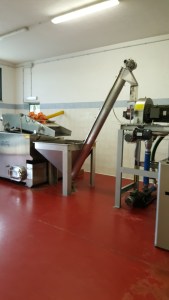
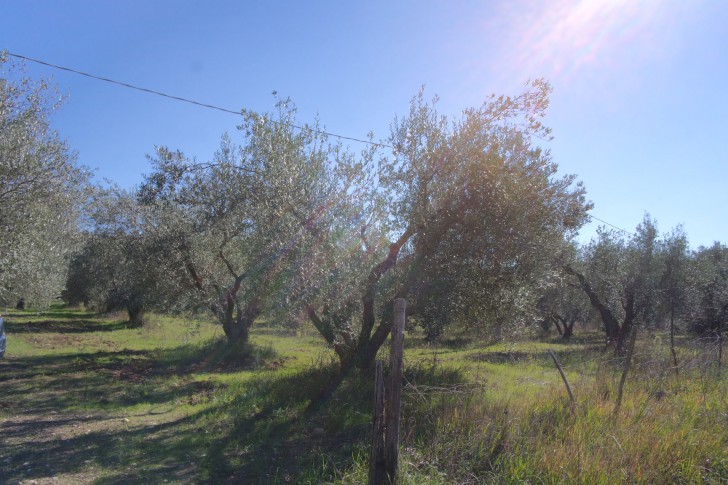
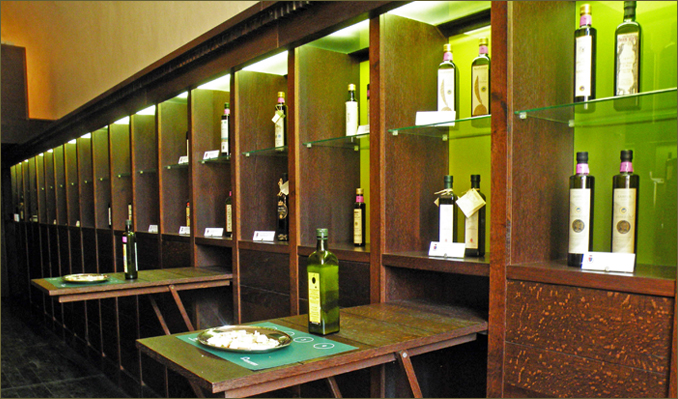
Last year, there was little olio nuovo available.  The places I spoke with said there was none available for other than the growers and ‘favored’ clients.  This year I was determined to bring enough back to share the experience.  I started heading to Farfa, where my personal favorite oil is found.  Farfa is only an hour or so from Rome in the Sabine Hills.  It is a lovely area of winding roads and groves dating back as far as 2,000 years.  Unfortunately, it is also an area of little reception for GPS or phones.  My hour drive took almost two since the GPS kept rerouting me in circles.  I finally found the frantoio (olive mill) I was looking for and arrived just as a truck load of olives arrived.  It was exciting to see  the process as well as taste the oil.  I bought what was on hand (not much) and headed out to explore the local museum of olive oil.  Then started the whole process again in Tuscany, Vetralla and Puglia.  Some fantastic oil this year everywhere.

oleoteca-farfa 20151017_130734 20151017_131640

Driving throughout the areas where there are frantoi gives you a really personal attachment to the oils.  Many of them are quite concerned that you know what you are buying.  Lots of attention is paid to tastings.  And, there are many surprising differences between these oils in different regions.  Many have a strong fruity flavor with a finish of citrus, or pepper or a little green flavor.    It has been a real learning experience and I wish there were an opportunity for everyone to experience these tastes.   So much of my searching is word of mouth, so I depend on all my Italian friends and my expat friends living in Italy.

The last stop on every trip is the market at Campo dei Fiori and a meeting with Mauro Berardi with his Spezie Famose nel Mondo – which truly are world famous spices.  It is astonishing to me how many inquiries I regularly get from all over the world about replacing spices bought at his stall.    Mauro, Marco and Fabrizio are very kind to me.  I get the freshest of the mixes, a few added scoops of the priciest parts of the mixes and each time more information about how to keep them fresh.  A few years ago Mauro insisted they would keep two years if kept in a plastic bag in the dark.  No glass, nothing else.  And, they did stay fresh that long, if they were around.  Through the last couple of years he has changed his mind about the best ways to keep them fresh.  Currently, they will last best if kept in plastic or glass, but in the refrigerator.  Certainly, the Puttanesca mix (which contains both sundried tomatoes and olives) needs to be refrigerated.

Each trip I find that the requests for his mixes grows and I have included pesto mix, bruschetta mix and bolognese to the most popular Campo dei Fiori mix, Puttanesca and Arrabbiata mixes and some others as special requests.  Since Mauro cannot ship outside Italy it makes me very happy to be able to keep people in spices here.

In between the oil and spices, there is always honey from Sardegna and condiments from Calabria.  And, the special requests of many clients for things I had not tried myself.  Each trip is different, and exciting learning experience.

I hope that I can continue personal shopping for many years to come.  I am grateful to all those who have found me and are experiencing the fun and flavors I can bring them.    It is a fulfilling and fun way to get myself to Italy often.20151018_091107-1 20151026_132649-1 20151031_133000-1


EVEN MORE ON OLIVE OIL.

Posted on

I just read yesterday of the seven major companies accused of fraud by mislabeling their olive oils as extra virgin when they were mixtures or plain virgin oil.  Seems like a small thing, but taken extremely seriously by anyone who appreciates good olive oil (and pays for the experience).  I try to buy all my oil from the frantoi directly.  (That is the local mills that the small producers take their olives to be pressed).  The difference in price is worth the assurance of what you are getting.  One of the advantages of extra virgin and olio nuovo is that the antioxidant levels are the highest possible.  But, that means the oils have to be really produced with care, handled with care, stored well and consumed in a year or so.  I cannot stress enough to check dates any time you purchase oil.  Any good quality olive oil is good for two years or even a little longer if stored correctly.  But, the finest oils from the first pressings are best consumed within a year of their pressing.  Can you taste the difference?  Maybe.  But not tasting the difference does not mean that the health benefits are there if it’s an older oil (or has been stored improperly).

ADVENTURES IN OIL

Posted on Updated on

Sometimes Italy is beautiful, sometimes challenging and sometimes just unbelievable.  Last week I felt a little like Alice after the rabbit hole.  It started simply enough.  I was looking for olio nuovo.  If you are not familiar with this olive oil, let me digress some and explain.

Carboncella variety are prevalent here

Olio novello or nuovo is the first oil from a harvest.  It is quite unique whatever the variety of olive involved.  With Expressly Italian I try to find the highest quality oil with the most health benefits as well as superior flavor.  Olio nuovo has the highest levels of antioxidants and I  love the freshness and fruitiness of the flvor.Before extra virgin olive oil comes the “new” novello oil.  Extra virgin oil must contain no more than 8 gm of acid per 100 gms.  Like most food products in Italy the DOP (Designated Origin Protection) has very specific requirements.  In Sabina, where some of Europe’s oldest producing olive trees live, to gain the nuovo classification, the olives must be processed within 48 hours of picking.  They are allowed to be washed only with water and the processed oil must have 6 gm of acid per 100 grams or less.  There are many more requirements, but just believe this is a very limited and unique product available only a short time.  And well worth the trouble and cost.Farfa frantoio

In my case, it was like searching for a grail.  Last year with such a terrible harvest there was absolutely none available so I was very excited to have the chance to get some of this liquid gold for my clients.  It never makes it to stores, so you must search for it from the mills or co-ops.   In Sabina I was sent from one frantoio (mill) who said he had none right then but to check another frantoio in Fara Sabina.  It is beautiful country only an hour or so from Rome.  Unfortunately the GPS signal was less than ideal and I found myself more than once driving in circles.  After a 40 minute drive to get 10 minutes away, I finally I located a frantoio that had just that morning processed some oil and he actually had 3 liter tins.  Because this oil is so delicate it must be kept from light and heat and air to last 18 months, so a tin container is far better than glass.  I actually decant it into 1 liter tins for my clients.

oleoteca-farfaAfter this wonderful experience I planned on next visiting northern Lazio, where the oils around Vetralla win many awards.  It was here I felt most like Alice. I would visit a consortium, where small growers have their harvests blended to produce more oil, and would hear, “no, none today”  when I asked when I could try again, the reply always seemed to be “maybe this afternoon, or next week”.

Maybe tomorrow, it depends on the sun, or the weather.  It is early in the harvest time in this area, so patience is required.

SAM_1219-1

SAMSUNG CAMERA PICTURES
Galletti
SAM_1249-1
Fresh Porcini

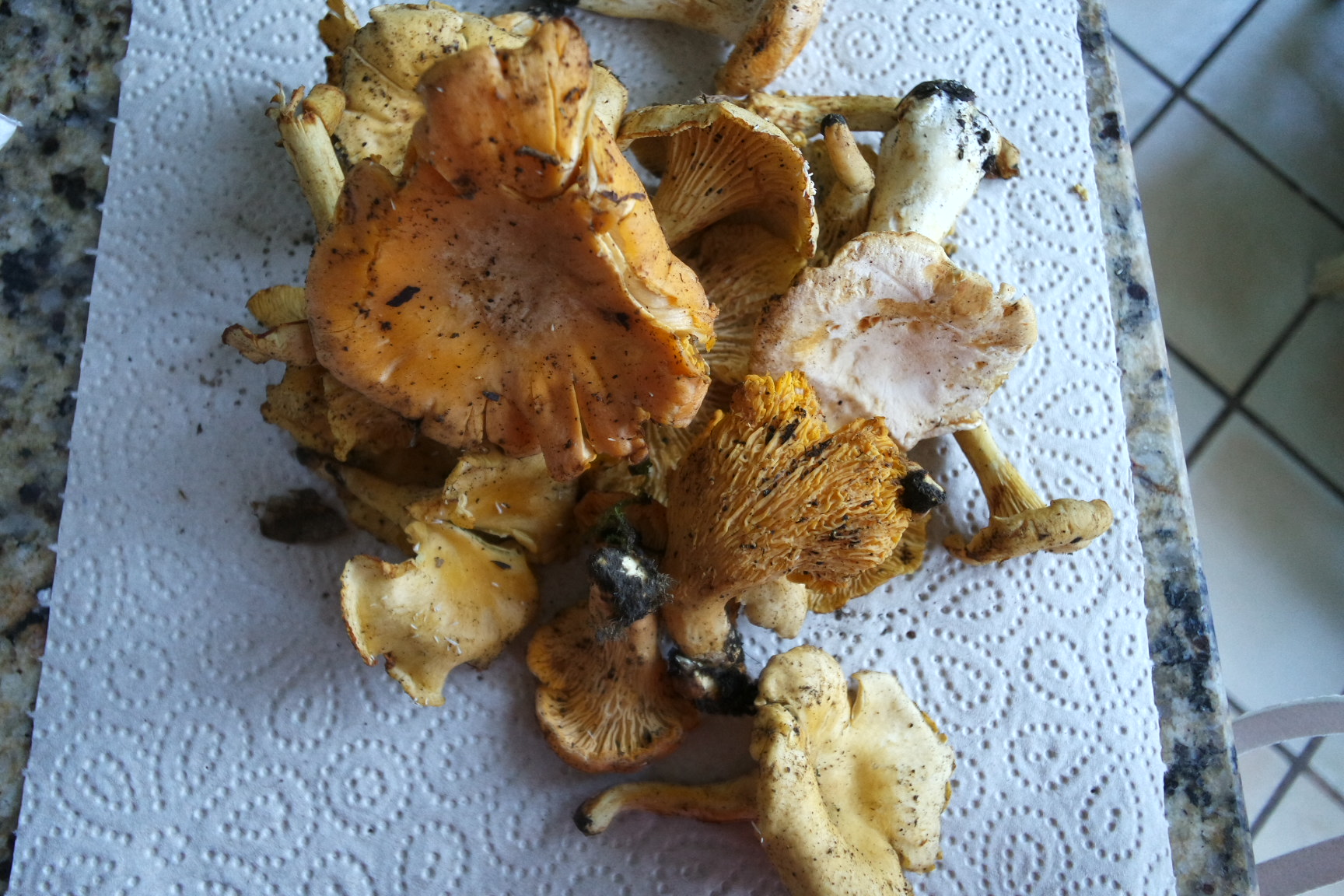
After hitting Vetralla, Tuscia and Blera, I was still without oil, but I  had magnificent porcini and galletti mushrooms, as well as some fresh fennel pollen, which makes a fragrant addition to so many dishes.  And I had a beautiful drive through the area.  Tomorrow is another day for finding olio nuovo or maybe next week …..

BEING HERE. IN ROME NOW

Posted on Updated on

Rome is my favorite city in the world.  I love being here.  Although sometimes the graffiti and dirt dismay me, and admittedly my stomach often reaches my throat when I see how close cars come to one another or worse to the buses,  While I am far too old to consider driving a motorino in this city, or maybe I never had that kind of courage, I do admire all those lovely women on their way to work looking worldly and chic.  And I wish I had found myself in Rome much sooner.

Streets of Rome
Streets of Rome

I remind myself often that I am not a tourist on vacation.  My schedules are full but have nothing to do with tour groups or monuments.  My friendships in Rome run very deep and anchor me solidly to this country.  I am welcomed into the home of a dear friend no matter the duration of my stay or how frequently I “visit”. I have parts of myself stuck in Florence, Milan and a few other cities as well.   But, Rome . . . .  Being here is more about reconnecting to the people and places so dear to my heart than just visiting.  I am in Rome, but not of Rome.  Too many people have passed over her streets and vicoli for me to ever really be a part of all this history.  Sometimes  I regret not having found myself in Rome earlier in life, but I do not really believe it would be different.   I have not given up on speaking Italian well, but I have been re-thinking my aspirations of fluency.  Yet each conversational attempt is met with affection and patient correction. from strangers as well as my friends.  My days are crushed with the same things anyone returning home has;  setting up meetings, making phone calls to friends planning lunches and dinners, and for me shopping.   And, getting here is the beginning I need arrangements for travel to shop in Milan, Florence, and on this trip Bari.  Expressly Italian was born to help cover the costs of my travel.  No plans for expansions, or growth, only my desire to continue striving to afford my need to be in Italy.

Catania Sicily

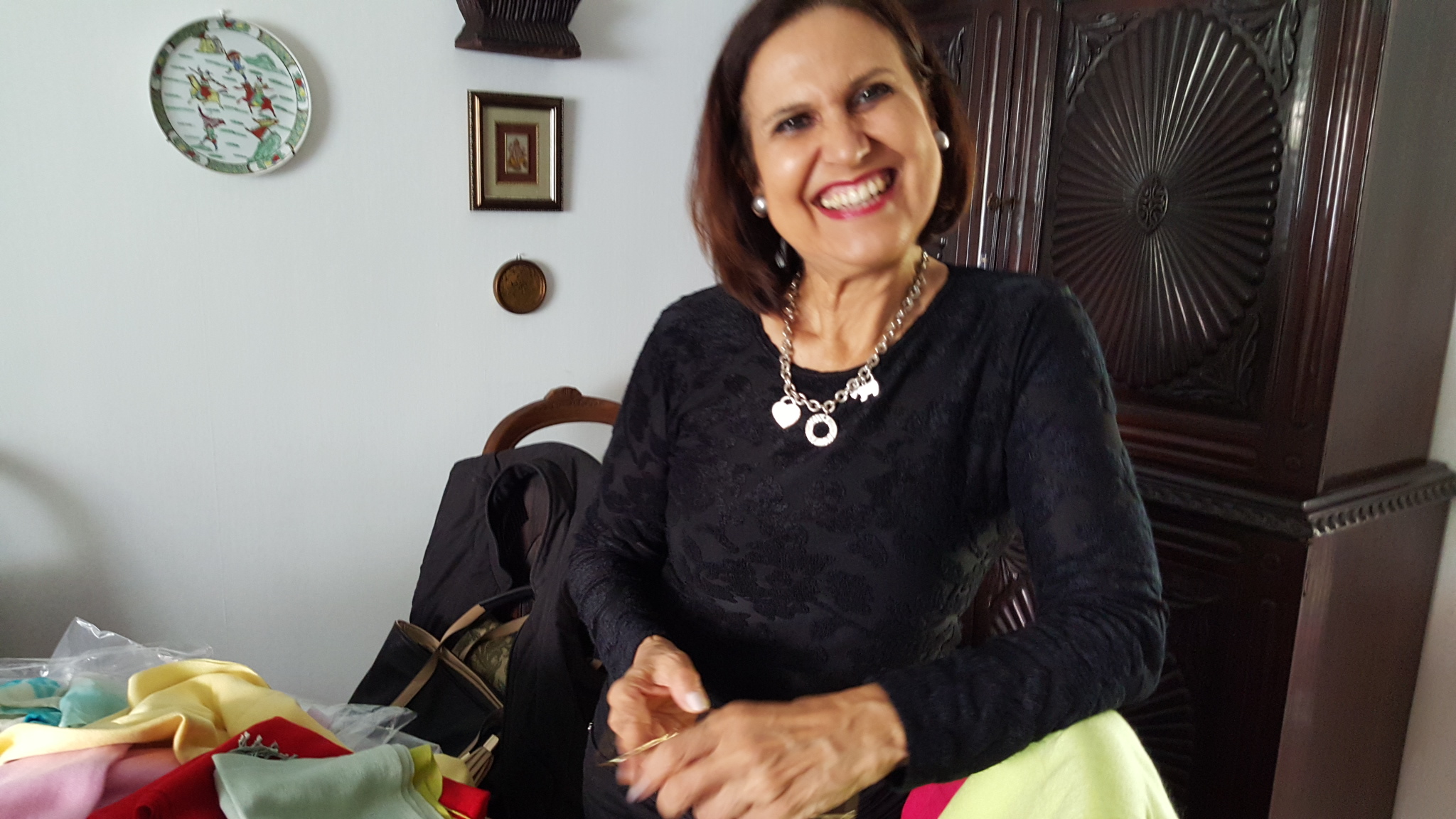
It is exciting since every trip brings new people into my life, new products to share with Americans.  Today, I was introduced to a lovely woman living south of Rome.  She has lived in Italy fifty years, although she was born in India.  She is intelligent, well spoken and thoughtful.  And her name is Ushabella.  Is that not a lovely name? She had worked many years for an airline when she was laid off.  Then she began to think of ways to utilize her talents and connections.  She is currently representing a cable and wiring company from Delhi.  She also has pashmina from India nicer than I have seen in years to sell.

Ushabella

20151015_130323-1

They are luscious colors and really fine quality.  Unfortunately for both of us, Expressly Italian specializes in only Italian products produced by Italians.  But I will certainly see if I  find anyone to connect her with.  There is synergy wherever you look and more understanding of how much different and the same we all are if you are interested.

I am grateful that Expressly Italian is offering me the challenge of getting real Italian tastes into mouths outside of Italy.   Each trip I seem to find new beauty unseen by me before.  I know that will never end.  At heart, Italy is really all about beauty; in words, art, mountains or sea coasts.

I hope if you have been here or not visited recently that you will see for yourself how life changing Italy can be for you.  In  the meantime you can allow Expressly Italian to introduce you to the many items never sent outside Italy.  You can try some of the special olive oils produced in small batches, some of the famous Mauro Berardi spic3 mixes from Campo dei Fiori or some of Sardinia’s purest, healthiest honeys Stefano cultivates and soooo much more.  Email or comment but do send your questions or requests.