Come Along on A Shopping Day
I thought it might be fun for you to experience a day of shopping with me. Well, sort of with me, you’ll be where you are, I’ll be doing the actual running and driving here in Italy. Yesterday, I spent the day running about the Maremma, one of my favorite shopping jaunts. It’s the sea coast area of southern Tuscany. An ancient area of rough and tumble cowboys and Etruscans, about a two hour drive from Rome.
Ok, here we go. Let’s hit the road.

It was a rainy day, but we didn’t let that dampen our spirits. 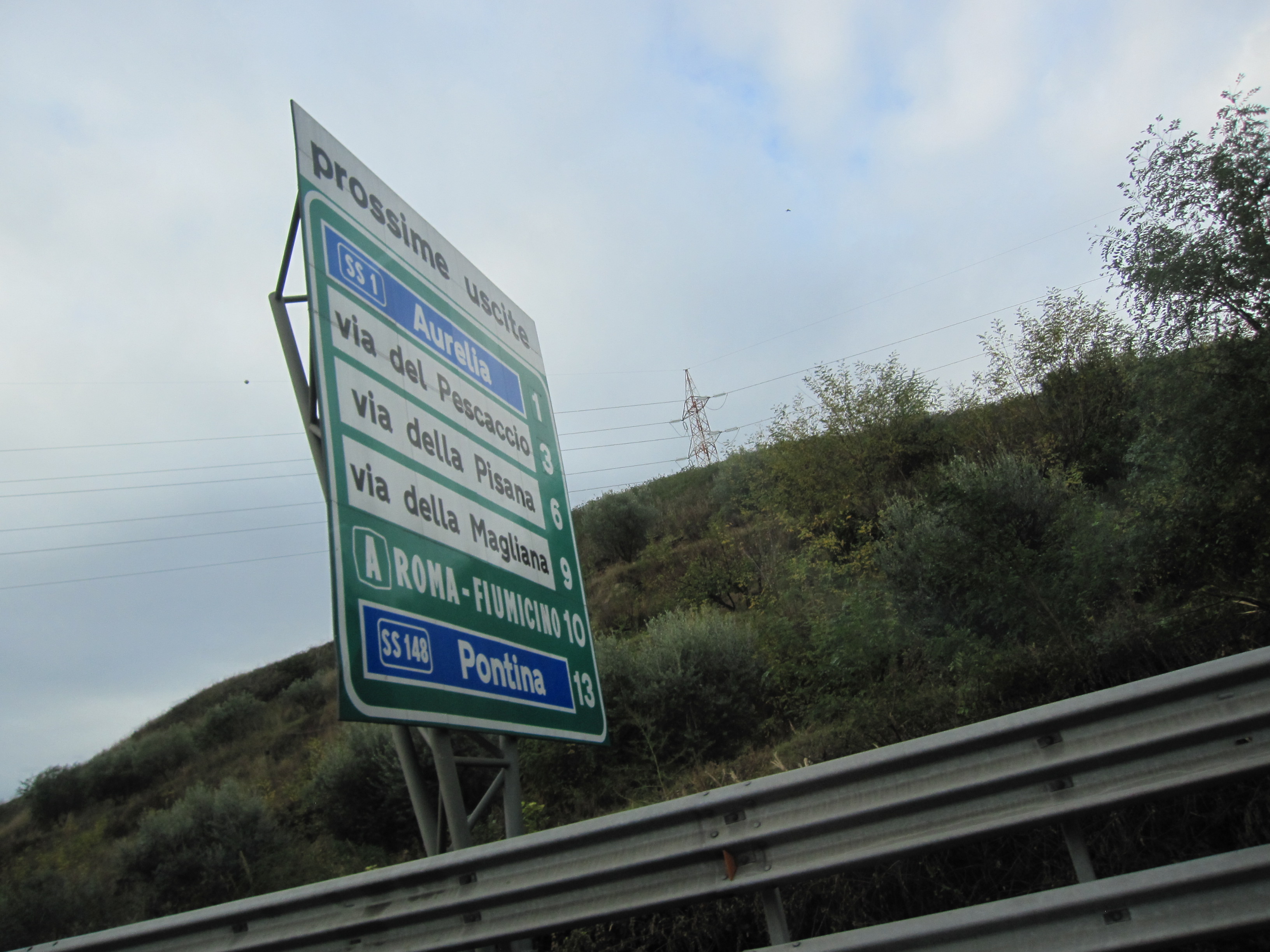
You really have to watch your speed. In addition to timing
your travel from one set of cameras to another a set distance so theyy can calculate how long it took you to reach the second set to see if you went over the speed limit, there are also a few other cameras set just in case they miss whe you speed up suddenly.
Our first stop was Orbetello. By then it was really raining. But Covitto was ready for us.
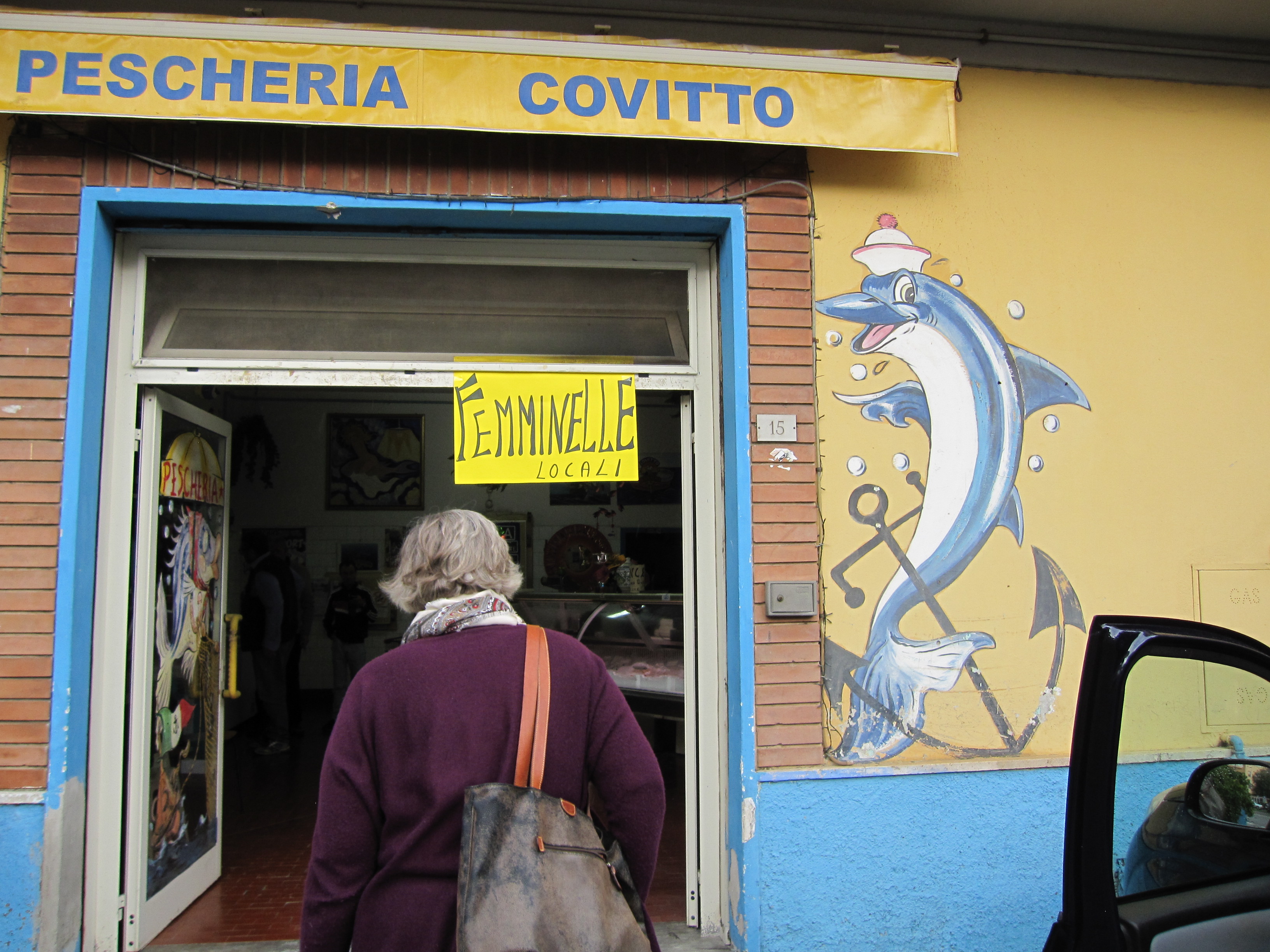
And, yes, I had to ask what Femminelle was – it is not just female but a type of fish.
They are a very special fish shop, having been there for a very long time, bringing the catch from the boat in the morning to the store to sell. Really gorgeous fish indigenous to this area only. I bought some of their bottarga, some fish broth mix, and of course, the colatura, available only here and the Amalfi Coast, where the tradition of this elixer still exists. This liquid gold is the culmination of salted anchovies laid in chestnut baskets and the liquid allowed to slowly seep through a small hole in the bottom. A long, process, but the smooth taste is worth the wait, and renowned world wide. Since they use only the best of the fished anchovies (caught between March and July) you can understand why few outside this area have had the honor of even tasting it. You need only a few drops to make a unique dish.
Here’s a recipe for Spaghetti alla Colatura — it serves 2 for a main dish
200g durum wheat spaghetti
2 tsp colatura di alici (try less the first time to be sure it’s not too ‘fishy’ for you
6 tblspn extra virgin olive oil
1 clove of garlic
Fresh parsley
2 small chili peppers
Bring a large pot of salted water to the boil. Toss in the pasta. As pasta reaches around three-quarter’s of the way through its cooking time, in a large pan, mix the olive oil, colatura, finely sliced garlic, finely chopped parsley. Heat just very slightly over low fire. Using pasta tongs, pick the spaghetti straight from the pot, into the pan, and finish its cooking in the colatura mix, adding salted water you cooked the pasta in, if necessary. Toss well over low heat until pasta is cooked al dente. Serve immediately, garnishing with a chili pepper. That is it. Simple, fast and people will always want to know what it is that is in the special sauce.
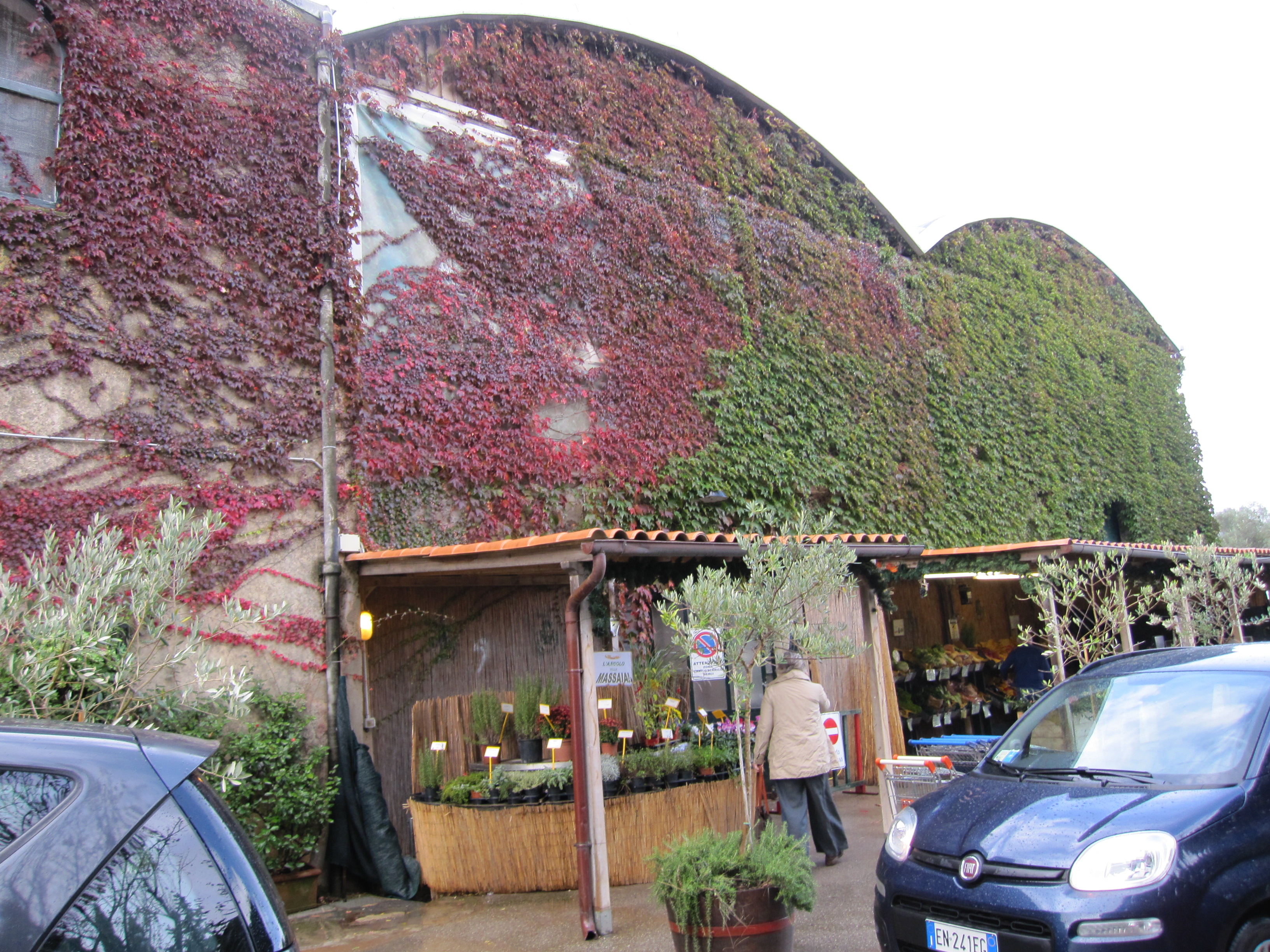
After Orbetello, we headed to Albinia. Although flooded horribly last year, they are rebounding as Maremmans are known historically to do. Albinia is home to La Parrina, which I had not visited before this trip. It seems each trip brings new people and places into my life.
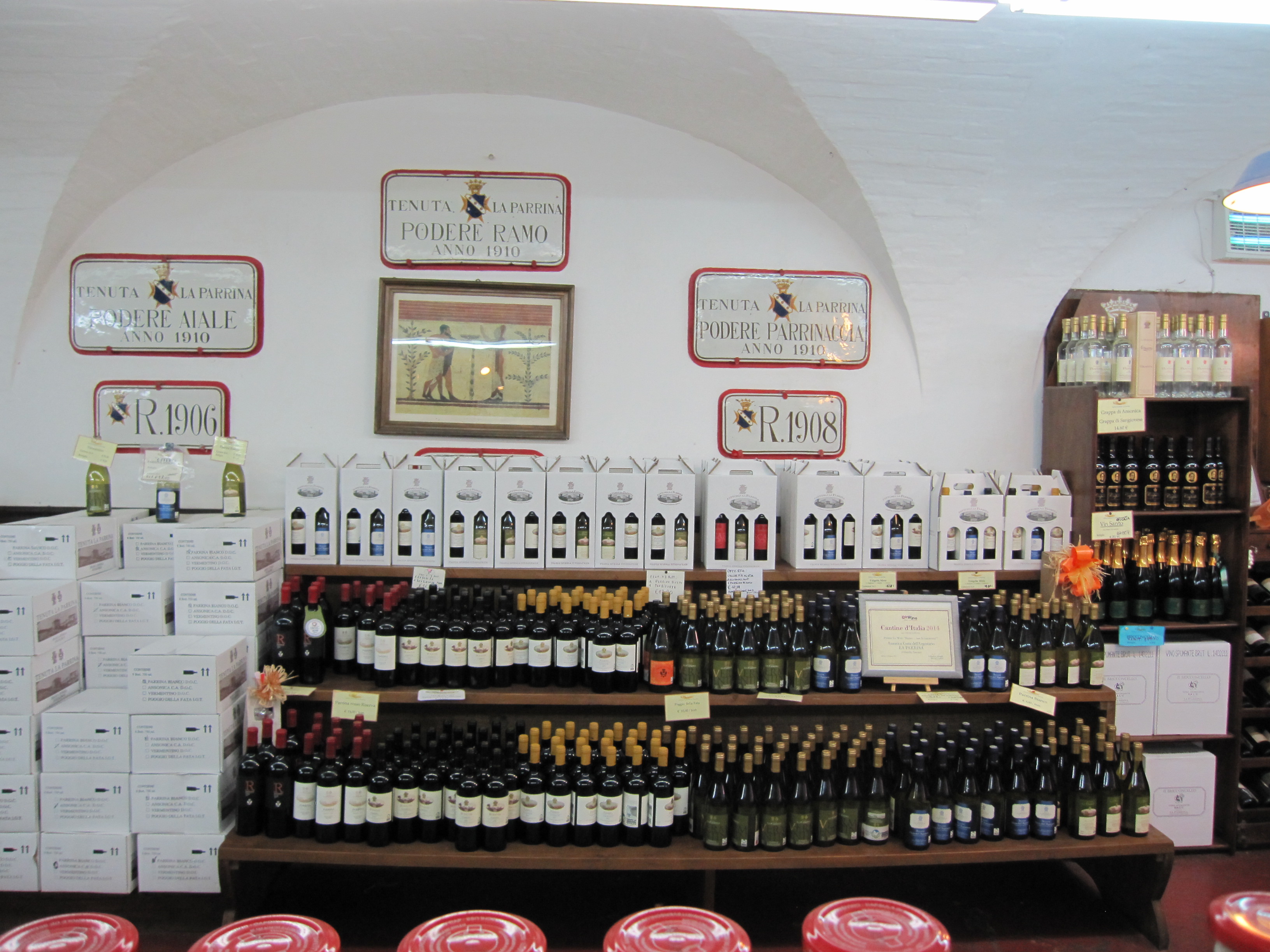
La Parrina is a real find. It is a wonderful Agriturismo, a farm, a vineyard, and a produce grower with an Antica Fattoria that has the most fabulous foods, available. I’m only bringing a small sampling. They make a bitter orange marmelade that will be fabulous on cheese, or bread or almost anything. I’m already addicted. A Kumquat jam, some fig mixtures, and they also have some really interesting mixtures of vegetable jams.
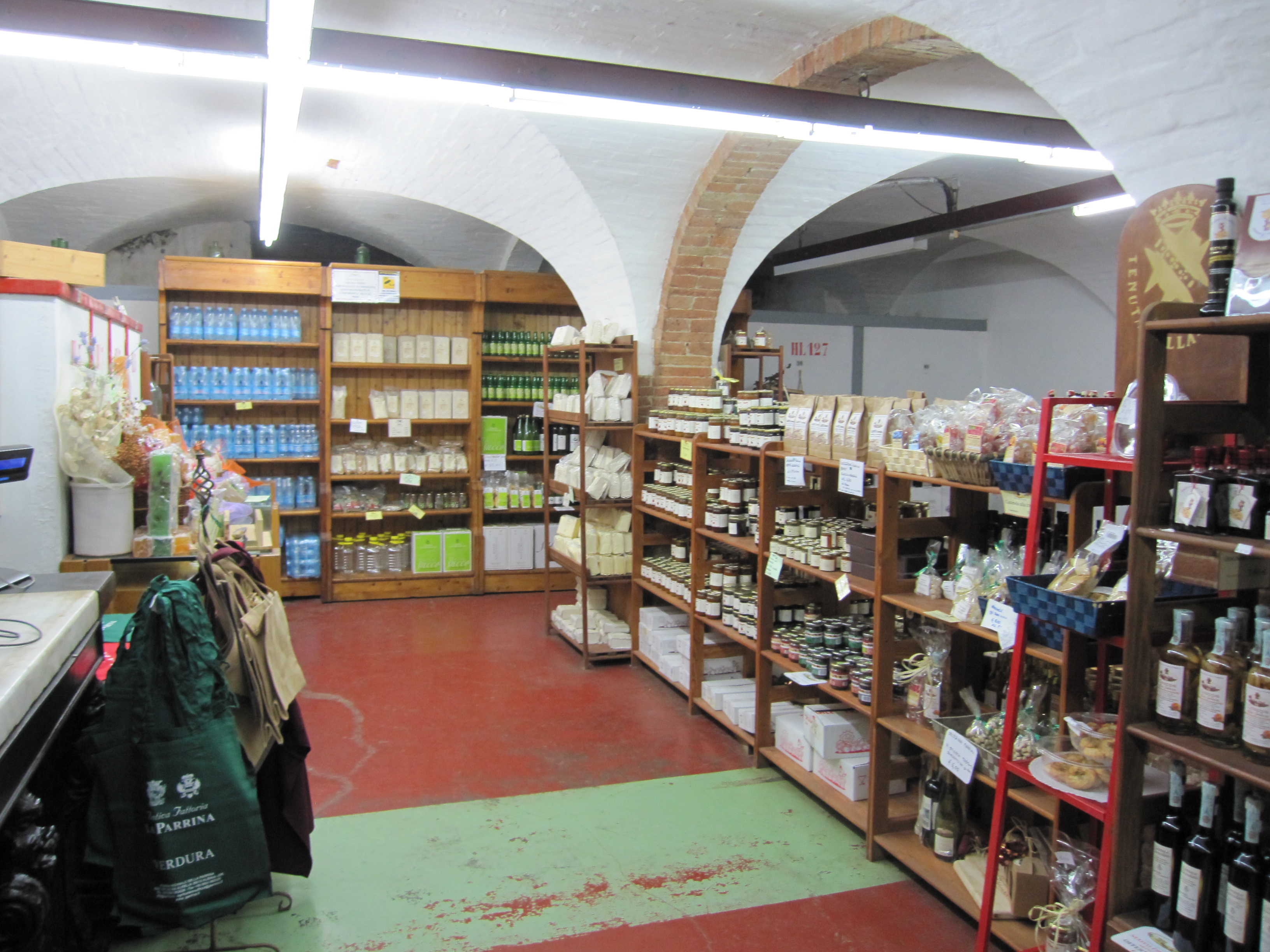

Also in Albinia, I visited a very special Alimentary, with Francesco and Maura and got some La Salva products (no time to go to La Salva) as well as some of their other local specialties like agrodolce I’ve had before.

Then it was back in the card off to Roma again. A long, but productive day. The real difficulties lie in trying to decide what I can manage to fit with all the limitations of weight and sizes I have. Terribly difficult decisions have to be made. The pre-orders are obviously first and they are going to be very, very happy. I hope that as time goes on there will be enough people trying all these really special regional products that are not available anywhere else. They are from small producers who will never be able to compete with the giants who aree able to put stabilizers and chemicals into their products so they stay fresh on shelves for years. These are products from real food for real people. And, boy,can you taste the difference. You may not be able to visit the Maremma this year, but hopefully you’ll let me show you a little of their flavors. If you are not signed up for my newsletter, please send me an email and I’ll sign you up. Write expresslyitalian@gmail.com


FOOD HOPPING AROUND ITALIA
It’s finally beginning to look like fall here in Italy. This trip started, as always in Rome. Then off to Perugia for some chocolate, a great beginning for any shopping trip.
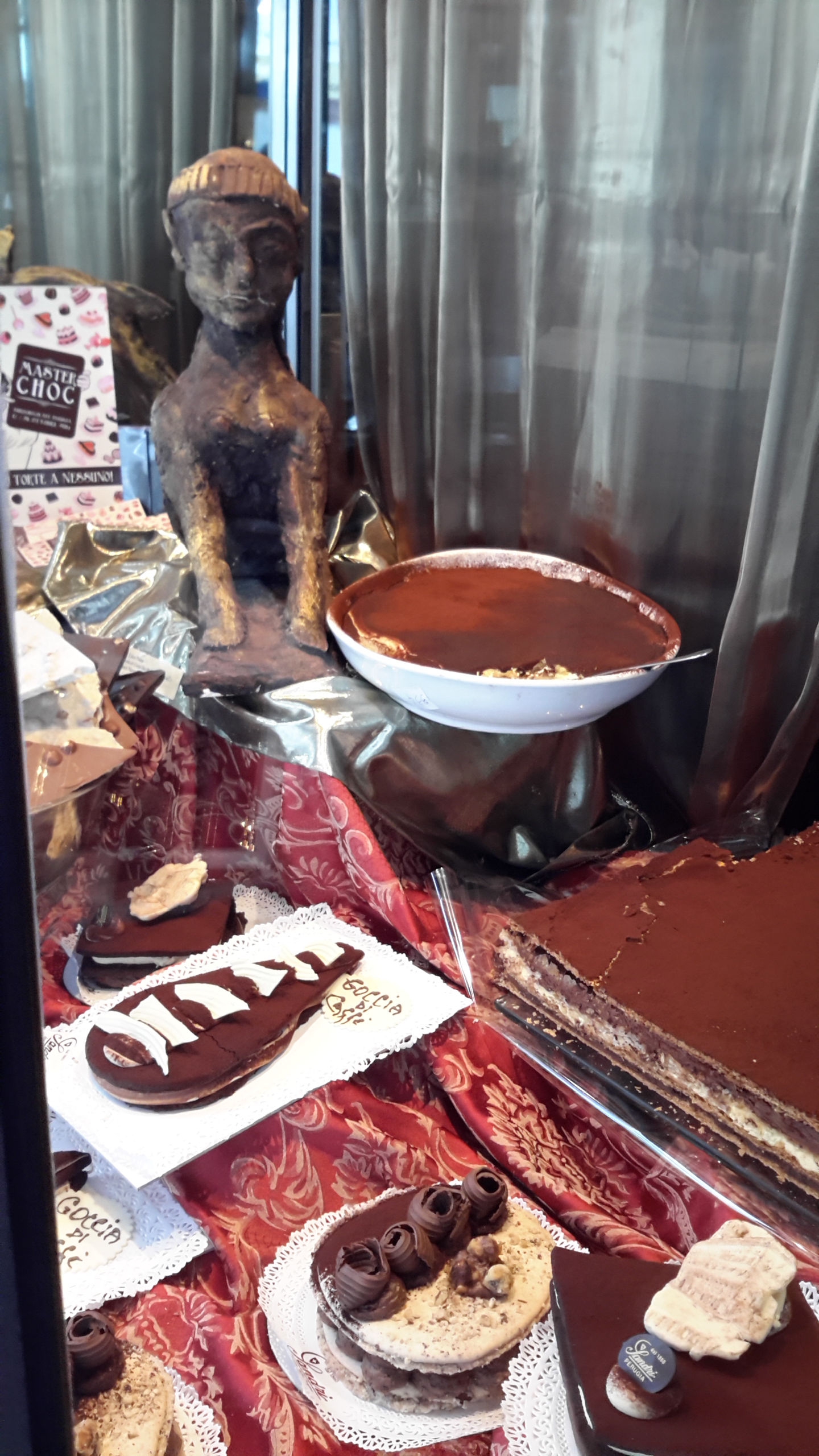
Perugia home of EuroChocolate festival. Surrounded by all that chocolate is a great way to spend the day. The EuroChocolate card (which was only 5 euro) got you a few free tastes of chocolate and a tazza (cup) of hot Ciobar chocolate! I found some really delicious hand made chocolates from Piemonte region that are well worth the cost. They are so heavenly you don’t care about cost or calories. The good news is that it takes so much less to satisfy a chocolate craving. And, the flavors . . . . beyond the peperoncino, the pistachio and the frutta di boschi, there are rosse arancio, some with hazelnuts, caffe and all are so good! I just put them all in a pile to consider what to eat first. Then I remembered those waiting for some great Italian chocolate and used great restraint. Mostly.
OLIVE OILS MAY BE IN SHORT SUPPLY THIS YEAR.
The impact of all the winter, spring and summer rains in Italy is being felt by the olive growers here. The olive oils I love (mostly olio nuovo) are almost non-existant this year. There was so much rain that the olives did not grow well, many too small to harvest and when that happens they get some kind of flies that make them unusable. I’ve worked really hard to come up with some great oils to bring back with me. There are some from Livorno, where they had a superb harvest this year. Umbria has only a few small providers with oil, but I managed to get a few of several types (moraiolo, and leccino). I’m off to the Maremma this week to see what is available there. Sabina, one of my favorite places for oil, apparently had no harvest from most of the trees this year. A disastro! Many of us will be using year old oil this year (which is fine since olive oil is best at less than two years old), but still, I’ll miss that brightness of flavor of the olio nuovo (as well as the higher levels of antioxidants).
UMBRIA SHOPPING IS ALWAYS EXCITING.
I love shopping in Umbria. So many wonderful food products in addition to some great olive wood utensils and fine linens.
In Spello, I shopped with Luca Antonini again and was wooed with farro pastas, some of his famous condimenti. The pasticcio of Fichi Umbriachi (drunken figs) is to die for. They take figs stuff them with hazel nuts and almonds, coat them in chocolate and age them in Sambuca. For the pasticcio they mix it all together into a kind of paste that will change your life, if you serve it with cheese, or over ice cream, or mixed into ricotta cheese. It’s so special, you need to try it to really appreciate it. And, as with all his condimenti and preserves, it’s biological (organic), using only fruit, no water, so a little goes a very long way. He’s always warning me to tell Americans you don’t need a large amount if the quality and purity is there. A small amount will satisfy you and give you hours of energy

A
Tomorrow, we’re off to Farfa. I’ve been surprised that even some Romans don’t seem familiar withFarfa and it’s only an hour or so from Rome. The Abbazia (abbey) supposedly has some nuns making an outrageous marmelate (jams) and then I’ll be off to the Maremma for all those coastal specialties.
If you are not already on my newsletter list, please send me a request to add your name to the list. I’ll send you a listing of what’s available and keep you up-to-date on upcoming offers. Email me at ExpresslyItalian@aol.com.
A Little Food Rant – Ok, a Big Food Rant
I’ve been hearing so much about “Farm to Table” recently. I’ve had it. It seems everyone from growers, restaurants and grocers are now marketing the phrase. There are so many articles published about eating fresher, better food to improve your health and longevity, you know, within 20 miles of home? Most markets are now carrying so many ‘artisan’ or ‘organic’ or ‘farm to table’ foods I think it is time to consider what this really means and are we benefitting or just paying?
Most people are hard-working and working hard to make ends meet. How many decisions should we have to make before we sit down to dinner? (Is this really healthy? Is this costing me much more?  is this a time saver? Can I ever be able to just trust the labels? Are these the nutrients I need? ) I believe it’s time we demand more truthful details.
We are led from one food fad to another – anyone for kale? I’m not questioning that the value of eating foods that are as close to where they leave the farm is a healthier and better life-style. What I am questioning is whether all they tell us about the food is really true. Is the organic produce truely organic? Are the organic foods still grown from GMO seeds or not? Are the farmers markets supplying us with food truely grown by them?
That is in part why I love eating in Italy so much. With all our technology, all the ready and quick answers and all the demands on our time and brains, we are still too trusting .with our food. Remember, it’s agribusiness now, not farming. Most of us are trying to be healthy, live longer, eat better. Unfortunately, it’s created more and more opportunities for advertising, big business and the lurking chemical companies to prey on us. I just read today, the latest “Big food” will be some type of purple pole bean”. It’s taking more and more time to sift through so much info and we end up not having a clue what’s actually true.
If you buy olive oil, you are eating healthier, right? Not necessarily. If you do not carefully read all the labels, you might first of all, be eating rancid oil. I have been in many of the small, local specialty and ethnic markets looking at oils. Many, many of them are way past the dates they are good. Olive oil, can be consumed for two years from harvest. IF it is kept stored properly. First pressing extra virgin olive oil (it’s just as the name suggests) has so much more antioxidant value than even regular virgin oil, you might be wasting lots of money as well as happily thinking you have improved your eating. The first pressing oil is usually usable for two years, but after the first year it loses much of the value of the antioxidants and some taste. After that year, it’s usable, but not worth much. Then there are the labels that exclaim virgin olive oil, but does not really explain what kind of olives, where they come from, the harvest date, or what the mixture of oils might include.
Think about it. They load a boat with tons of olive oil. They take a couple of weeks to get to an American port. The bulk oil is traveling in the dark, but it is also being sort of ‘cooked’ in the hull, cool and dark is good. Heat and dark, not so much. Depending on the route, it takes at least two to three weeks to reach port. Another week or so to get it off-loaded and delivered to the bottler. It sits there, sometimes for a month or so. So, this oil, by the time it reaches a market near you has been stored for as much as a year. Is it any wonder Italians (all Europeans) laugh at us about our ability to know good olive oil from bad. We have all read about lesser quality oils mixed in or mislabeled because they believe we would not know the difference. Few of us have tasted real, fresh olive oil unless we carried it back from Spain, France, Italy, Greece of some other olive area. American grown oils are great, but also mass-produced often with less flavor due to different varieties, pesticides, etc. Dr. Gino Celletti, chairman of the Monocultivar Olive Oil Council, in judging a world wide competition in New York, said freshness, is paramount. 58% of the oils entered in the competition were bad. So one has to wonder why a producer would enter an oil in the competition if it was not the latest, freshest sample. “They simply may not know they have bad oils,” Dr. Celletti said. Out of 653 oils from 22 countries there were 27 winners and two of those were from California. It’s a start.
We would have to spend so much time examining every item we eat we would have no time to eat it. Our agribusiness has improved foods for shipping, producing much larger, more perfect looking and easily controlled seeds, but what has it really done for you. We have pink, rather than red tomatoes, hard as rocks when they are ‘ripe’. And, they have virtually no taste. I’m not sure about nutrient values, since they probably pump those into vegetables, as they do with livestock and their feed. Is it any wonder we eat more, there is so little enjoyment from what we taste, you keeping eating more hoping for that feeling of satisfaction that never comes. If it is more profitable to produce a product for humans rather than use it as animal feed, why do we belive they do it for us. Why do we believe bigger is always better?
The real point of my diatribe is that we not only cannot trust agribusiness, the grocery producers and chains but even the local farmers markets. The necessity of changing quality is affecting even those ‘health food’ and organic and farm stores as well. With more markets increasing the ‘organic’ or ‘farm grown’ (who knows what that really means) areas of their stores, the smaller markets are in trouble. Ask Whole Foods (which is by no means exempt from these problems nor are they small). The ‘farmer’s’ markets in your local town are also competing. Do you really believe there are so many farms that send out people every week in every area to sell directly? Ask questions. That is our only hope. Know more about what you want and ask questi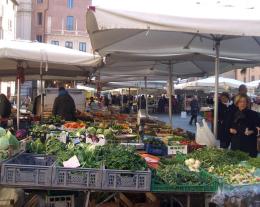 ons. I guarantee you if you spend the extra few moments to ask the people in these markets exactly where their farm is and what they grow, you’ll be as suspicious as I am. I think, today, at least in the Los Angeles area, there are probably half of these stands where the produce is picked up in downtown Los Angeles, from the wholesalers (the same who supply your restaurants and markets) to be sold as ‘farm fresh’ produce. The produce you believe is local (and getting close to farm to table) is really the same as in the market, but probably not stored as well and maybe not as inexpensive as you might guess.
Real food does not grow to be picture perfect. But, it does have more nutrients, more flavor and more satisfaction value when you are eating it. If you are looking at pink Roma tomatoes hard as rocks, advertised as ripe, in the organic section of a ‘farmer’s’ market, this is not real food.
I know this is a long rant, but you get the idea. Do not accept partially labeled products. ASK QUESTIONS. You are feeding your family and yourself; insist on the best. Not just the best looking but the best tasting, the least changed from 40 years ago when all foods had taste. Think about how many products don’t taste like they used to. Is it your memory, or is it that the food is produced for so many reasons other than your taste and health. Examine labels. Exactly what kind of milk is making butter these days that it has no flavor? There are many foods I don’t even bother buying anymore. I just wait for a trip to Europe, especially Italy. But, even there you must be on guard. There is massive attempts to move into the farming industry by chemical companies, and agribusiness. Italians are quite demanding about food, which is the good news. There are commercial farms, but they are still mostly controlled by families, not consortiums. But, Europe is the new target market for agribusiness. Don’t allow all our food be prepared more for size, shipping and perfect looks. Demand it also have flavor. Whew! At least I feel better. I’m off to my garden to pick the makings of a real salad.
Please follow my blog or email me your address and I’ll add you to my newsletter about Italian products direct from Italy.
Discover a new Newsletter from Expressly Italian
If you are not on the mailing list – add yourself on. If you haven’t seen the latest newsletter,
http://eepurl.com/2kc3P click here and see what’s up.
SUMMER 2014 MAY BE ENDING BUT HERE COMES EXCITING FALL!

Well, as August ends, Italians are returning to work from their vacations (vacanze). Most Italians do not travel outside the borders of their country. It may seem that has been happening more often with the poor economy, but honestly, it’s always been that way for most Italians. They love their country. Within it’s borders are almost any type of environment you could want for vacations; mountains, lakes, two seas to explore the beaches of, as well as more art, monuments and historical locations than almost anywhere else in the world. Why would they leave?
I recall my husband talking to a co-worker shortly after our arrival in Rome. He told the guy we were going to Venice and he was very excited. The older man shrugged his shoulders (it takes a couple of years to develop the Roman shrug) and said have a good time. Mike asked if there was anyplace special that we should make an effort to see. The man responded “how would I know, I’ve never been there”. When Mike asked why in 70 years he’d never visited there. His response was “Why?” Everything I want is here in Rome. And, there are quite a few Italians who never venture beyond their province or commune. For us American’s it is hard to fathom that thinking. We love to go whether it’s in the US or abroad. We’re adventurers.
Which brings me to something I’ve been waiting to share with you. Some of the names have been changed to protect this man’s identity. I admit when I first received this accounting I was rolling on the floor laughing. Not only is this entirely possible wherever you travel, but can be expected in some variation on any trip to Italy.
This man, a Californian, decided to take his adult daughters on a trip to Rome. He’d only been there many, many years ago for a short trip and one of them had never been there. The last I saw of him was on the via Veneto where outside his lovely hotel I was giving directions to the next stop on his trip – Tuscany. He’d rented a car, it had GPS, he was confident.
His travel agent had worked out the full itinerary with directions. And, he said he followed the directions exactly. When they arrived it was getting dark, but it appeared the location was not at all as promised. It had all the amenities as promised, BUT. The pool was covered, filled with leaves and had grown green water. The chairs around the pool and tables were plastic and overturned on the lawns. All of them. He was a little concerned that it had an entirely empty parking lot that would hold 60 cars. They found the restaurant was closed and there was not much activity anywhere nearby. His daughters were the ones who realized they were in a hotel with the same name as their reservations, but hours driving time away from where they were that evening. . This after lugging overweight luggage up several flights of stairs (no elevators). Nothing could be done until the next day anyway, but it was not a happy evening.

The next mornng they drove to the correct hotel, which was gorgeous. By then, things were a little tense between them since they had lost a whole day of our precious vacation. He said they did spend lots of time investigating Montepulciano, which has become one of his favorite places. A salvaged vacation after all the previous difficulties (yes they also had arrival problems in Rome, tour guide problems there, and more). Then came the last day of the trip.
One of his daughters became quite ill and had to go to the hospital in Florence. The other daughter returned to her home in New York on her scheduled flight. It turned out the hospital was quite helpful and kind. She was only really dehydrated and needed an IV for hours but was fine afterwards.
Of course, they missed their flight back to California though. They were booked on Alitalia, on their last day of their direct service to LA. There were no more direct flight from Rome to LA. (For the record I remain confounded that there is no direct flight from Los Angeles to Rome from late October until March !) They had to leave the hotel in Florence with three overweight bags between the two of them. They still have no idea how they managed it, but they got the train, along with their luggage from Florence to Rome (near the airport for easier access). There were no available flights and he felt Alitalia was unhelpful. It does seem like they could have arranged something with their partner airlines (Delta, Air France, or KLM).
They got rooms at the Best Western near the airport (where few other than travelers speak English) and it’s truly in a barren industrial area. He called on his cell phone every airline he could find (his cell bill was $1,800). His local Vodafone SIM had been used up and where he was there was no Vodafone place and he could not understand the texts he kept receiving from them instructing him what to do.
Alitalia told him he would have to change his reservations through his travel agent because that’s how he made them. (Of course, by this time he’d fired the agent.) The agent was not returning his phone calls.
Finally, he truly panicked and just wanted to get home. There was literally no way to get out for days, unless they would take Air Nigeria to Turkey, then three stops in Germany, an overnight at Amsterdam, then New York and then LA. Even panicked he knew he could not do that. So, like any good American, he “bought” his way out. He spent over $6,000 on airfare to take British Air to London and London to LA. And, of course, that was not for first class flights. But, he had waited several days already and enough is enough. He missed four days of work and the vacation costs were much higher after his vacation was to have ended that it was for the rest of the trip.
Sometimes, it’s just that bad with traveling. Thank goodness it’s not often. And, much funnier when it happens to someone else. He said “Italy was beautiful but he was not ready to laugh about it yet”. Hopefully, enough time has gone by that when he reads this he’ll appreciate the experience a little more.
Being prepared is good. Knowing things will go wrong is even more important.
I’m readying for my fall trip – think olio nuovo, fresh olive oil. Honey, and new found products. If you want to receive the newsletter on available products, please email me at: expresslyitalian@aol.com.
If you have any questions about how to use any products or suggestions about what I should try to find, let me know. For sure I will be stopping at Campo dei Fiori for spices from Mauro Berardi and his”famous spices of the world” as well as Umbria and Tuscany for first pressing olive oils, the Maremma for Botarga and a few other specialties. And I’ll also visit Torino for a chocolate festival and stopping to pick up some of that fabulous Sardinian honey and who knows what else. I’m open to any suggestions. Just let me know if you have any special requests. I’ll be happy to do what I can to help.
Estate in Italia 2 – Late Summer and Early Fall Places to Visit
Summer is flying by so this is a little broader information than just the next two months.
Italy is a country of islands. In addition to the nearly 450 islands off the coasts of Italy, there are many many more in the lakes, streams and rivers inside the country. So if you are looking for new experiences, there are opportunities to plan a trip just visiting the islands of Italy.
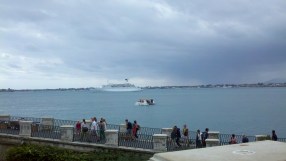
Just this week Giglio finally lost its major tourism attraction for the last few years – The Costa Concordia was finally uprighted and able to float off the reef it’s been sitting on since January 2012. Now life can return to the slower, more normal pace on this car free, pollution free island. It’s a paradise for swimming, snorkeling, or fishing. The beaches are amazing and not crowded.
There are surviving remnants of the original Roman gate into the town to visit And there is Giglio Castle, one of the best Italian medieval “borgo”(village). It’s a really interesting village whose towering walls still stand and it is possible to walk where the ancient soldiers did. There are amazing overlooks and vista to enjoy and photograph to make all your friends envious.
And, all the restaurants, bars and shops stay open late into the night. And you are within sight of mainland of the coast of Tuscany and peninsula of the Monte Argentario and Orbetello. It’s really a lovely area.

Don’t forget to try Panficato, a medieval sweet still made only in Giglio. Figs and grapes are dried on granite surfaces and underneath the Mediterranean sun. It will remind true lovers of tuscan cuisine of panforte, since they have a common history. In 1544, the Medici family forced many people from Siena to move to the island and repopulate it. They began to make a new version of their panforte using the ingredients present on the Island of Giglio. Another reminder that all Italian cuisine is about using the locally available ingredients.
Here’s a recipe for Panficato del Giglio:
Panficato Gigliese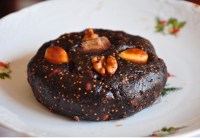
1-3/5 cup (200 g) flour
1/2 cup (100 g) regular sugar or vanilla sugar
3-1/2 ounces (300 g.) dried figs
2 cups (200 g). almonds
3 cups (300 g). chopped walnuts
1/4 cup (50 g) pine nuts
2-1/2 Teaspoons (30 g) orange peel or candied orange
1-1/3 cup (300 g) apples and pears into small pieces soaked in liqueur
150 g. dark chocolate
2 Tablespoons (50 g) cocoa
3/4 cup (200 g) of raisins
1 Tablespoons (15 g) cinnamon
Grape jam (or other jam) to moisten the fruit
Soak the dried figs in water for 2 days. Chop the figs and add the chopped walnuts, orange peel, apples and pears, pine nuts, dark chocolate. (Every thing is chopped), the unsweetened cocoa powder, cinnamon, jam and a few dried grapes ( raisins). Mix all the ingredients, shape like round loaves and place in 350 degree oven for 40 minutes.
There are so many music festivals, art exhibitions and food festivals throughout Italy at this time of year, there’s just too many to list. If anyone is interested in a particular area during a specific month I’ll be happy to send you a listing for wherever your interests lie. Either leave me a note here, or email me directly at ExpresslyItalian@aol.com.
As fall enters, there are a number of steam train tours for foods in Tuscany. There is a mushroom tour, a chestnut tour and a train that travels around the Siena area for food markets. Of course some of the biggest events are olive harvests. There are sagre, tastings and tours of pressing (frantoio) locations.
Summer Events and Places to Visit Siena
Teatro del Silenzio” was born from the creative mind of Alberto Bartalini and a group of people who have come together with the aim of creating a place where you can convey ideas, emotions, art, music, dance. “Teatro del Silenzio” is a natural amphitheater carved from the beautiful surrounding hills of Lajatico; a small jewel in the inland landscape of Volterra.
The biggest supporter of the project, and Honorary President, is the Tenor Andrea Bocelli. Born in this land, he wanted to create a place where the intense feelings and emotions experienced in a living space with Bocelli and his singer friends.. A really beautiful environment to enjoy music or theater.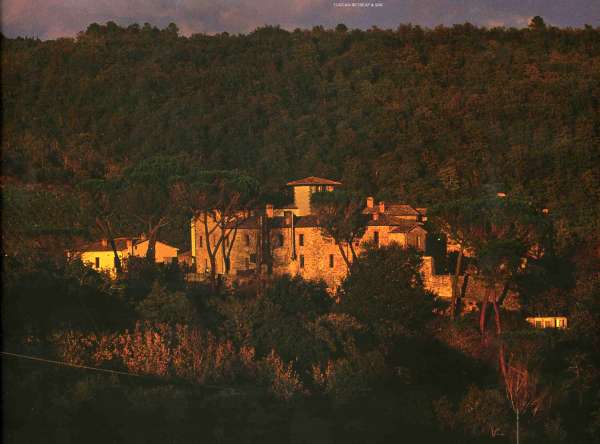
From now until November 3, there is an exhibition in the halls of Santa Maria Della Scala in
Siena, the first exhibition “retrospective” by Sergio Staino. Staino is a contemporary artist known for his satire. T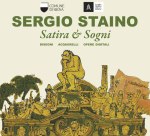 here are watercolors and digital works over 300 works in all.
Since 2000, the artist was forced to abandon his traditional drawing tools of pencils and pens as problems with his sight worsened. So, he has learnt and mastered new techniques of drawing by hand on a touchscreen, and today says “it was a sad passage, but in reality I discovered a marvelous part of the world with opportunities to meet, compare and change my work”
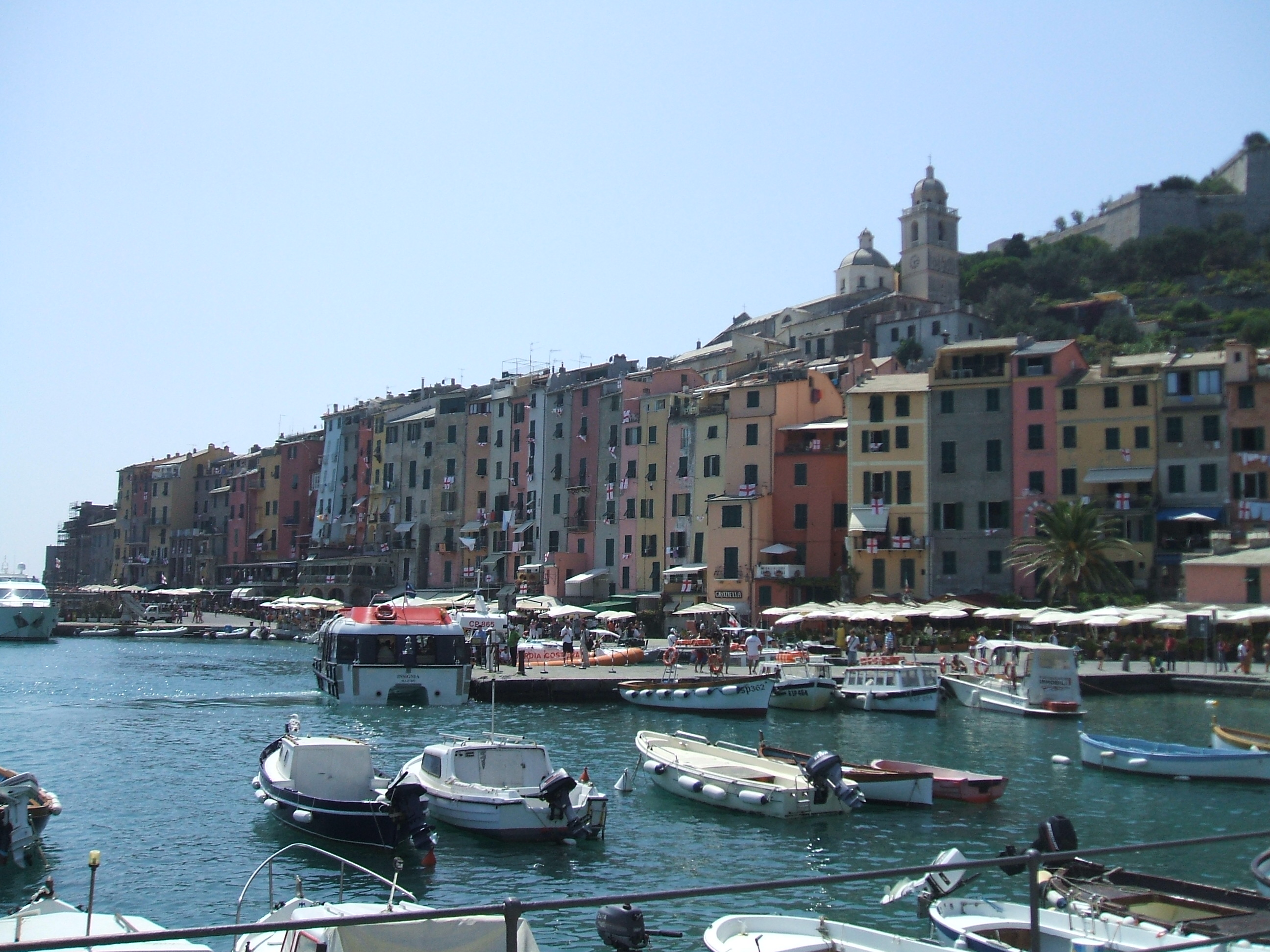
At this time of year Liguria is another must see region. Cinque Terre (five lands) which are five small villages right on the water built into steep, craggy hills. Each is so distinct and beautiful I cannot imagine ever being unwilling to travel there. There are trains from Genoa and buses between the villages, or you can take a boat from one village to the next, a trip that is only minutes.

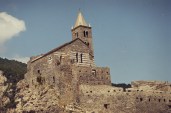
Genoa has often been overlooked as a tourist destination. I think because it is the largest port city in Italy and it was kind of uncared for near the port area many years ago. They have done much to improve the tourist experience, including a biosphere that sits in the harbor, and well as an huge and important aquarium. There is also Via Garibaldi. In the 15th century it held only palaces of royalty and the richest and most famous families. Now many are museums and it is still one of the most beautiful streets in all of Europe.


You have to taste Pesto in Genoa to know what real pesto tastes like. They have a completely different variety of basil than I’ve seen growing anywhere else. Tiny little leaves that are tender and so flavorful. And, of course, the seafood anywhere along the coast is spectacular. A grilled misto (mixed) fish plate will never be a wrong choice.
Piemonte has numerous festivals between summer (Estate) and fall (Autunno).
There are sagre (food festivals) in Asti, Biella, Novara, Torino, Vercelli celebrating various kinds of pastas and chestnuts. Torino has numerous feste for stuffed fish (No, I’m certain exactly what this is).
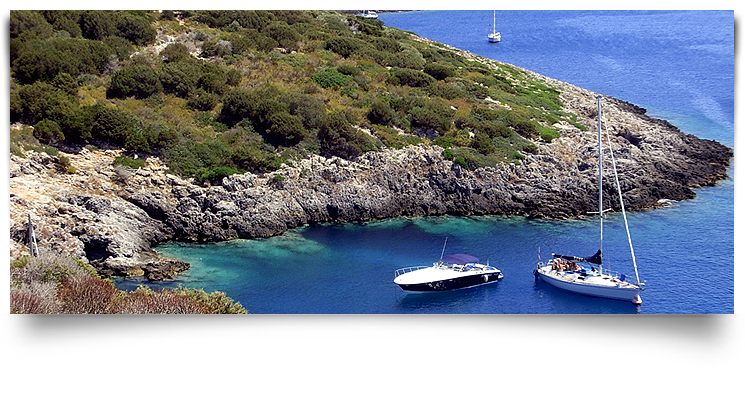
Just a reminder, don’t fail to check the larger cities for Civic Arts or Tourism Cards. Most often they cover the most important events and sights and they will save you lots of time and money. They sometimes help avoid wait lines and give you discounts in stores. Check online before you make your trip or stop at the local tourism office (usually located somewhere in the center of town).

-
- Genoa –
-

- Roma
-

- Sunset on the water
-

- Original staking for vine

There is no ‘bad’ time of year to visit Rome. There are pleasures to be had any time of year. Different events, different foods, different experiences. Italy is simply a country of such variety and beauty, I will never see enough of it. I hope this motivates some of you to make the reservations for your next trip. I’ve found few places in Italy I do not want to return to see more. And, there is always more.
Buon Viaggio
If you’d like to be kept up to date on all our sales please email expresslyitalian@aol.com to be added to the mailing list. You can also find us on Facebook to keep up-to-date with all our latest news.
Summer in Italy – Estate in Italia
Image Posted on
The summer season is in full swing in Italy now. I’m always been impressed at how effectively Italy encourages their tourists to stay. If only the rest of their government was as successful. Summer anywhere in Italy is filled with festivals, sagre (the local food fairs celebrating an individual food) and palio events (competitions usually of medieval events). While it’s a crowded time with lots of tourists, there are so many different places to go and things to see it’s worth the crowds, and the memories of those experiences last a lifetime. 

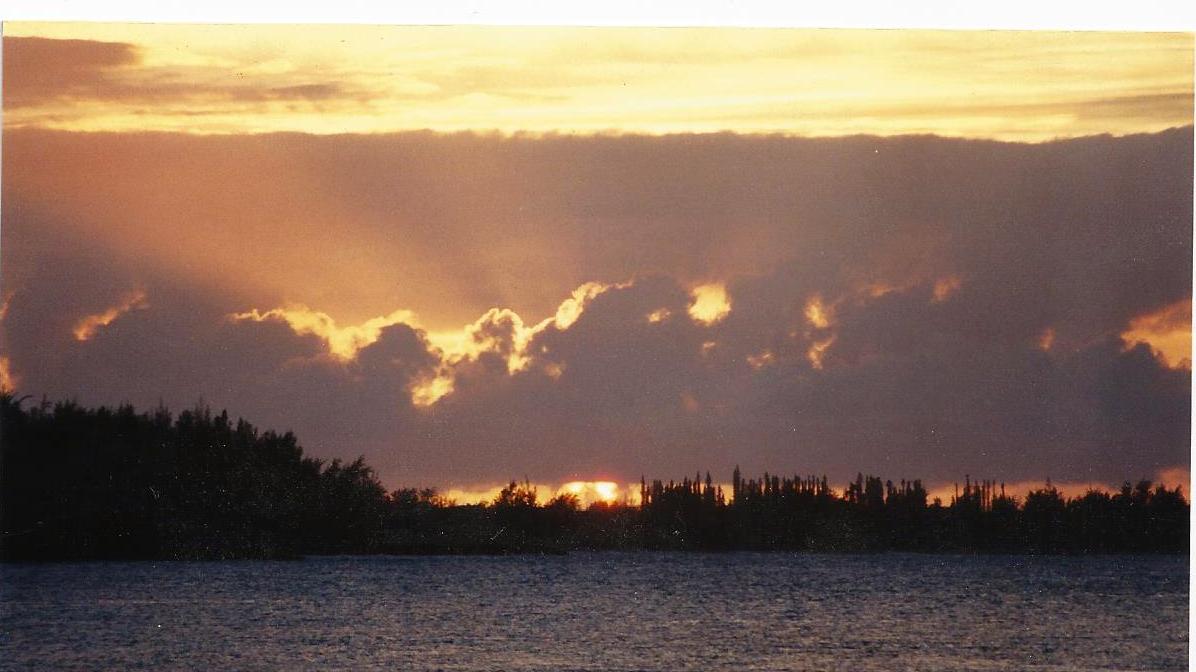 Since the country is a penninsula, there are beaches, unbelievable beaches in almost every region, and those landlocked areas have lakes. So many beautiful places to explore. So much truly fresh seafood!
  Get there in June or July if you want to be sure everything is open. Throughout the country summer is travel time. Although most Italians never leave Italy for their vacations, they all take time away from jobs and city for a real rest. Maybe it’s because I was a resident, but Rome in summer is really special. In addition to all the tourist attractions of the museums, mounuments and churches, Rome has so many special events in the summer. “Estate in Romana” covers all types of events. Estate Romana is sponsored by the city council of Rome and provides an incredible programme for those who visit the Eternal City during the summer. The programme lasts for 100 days and 100 nights and features over 1,000 events, concerts, exhibitions and live performances.
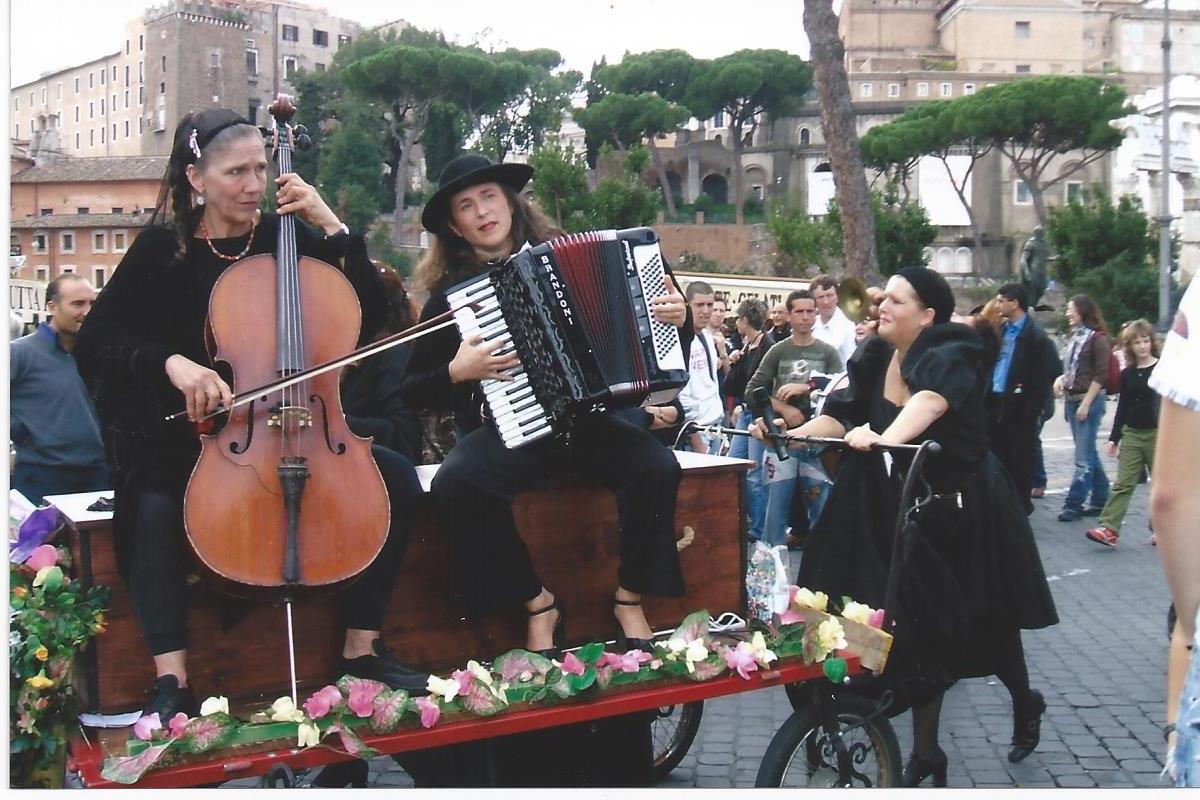 While events are held throughout the city, it is the River Tiber that steals the scene. The Tiber Island, for example, hosts an open-air cinema with a great, handpicked selection of national and international films, while the riverbanks fill up with food stands, pubs and temporary stores.Romans love to have fun, love to eat and are always interested in a party. And, just about all of it is free. If you’ll be in Rome anytime from June through August, check out the program from Estate Romana – http://www.estateromana.comune.roma.it/. While I’m most familiar with Rome, most of the other regions have similar full programs, especially of performance, music and food experiences available. If you plan on being in a particular region,google the website for the commune and it will give you all kinds of events. I’ll write about some of the other special programs I’ve enjoyed in Gubbio and Castel Madamma and Cinque Terre in another blog entry. While in Rome, recently, I found a relatively new rental in Trastevere in a really convenient area that is to die for. Whether you are only in Rome for a short time or a longer stay, you should investigate this fabulous rental. Trastevere is livelier and more energetic and much less reserved and stodgy than the other side of the river. The location is perfect for exploring Trastevere and all of Rome’s attractions are still within easy walking distance as well. It’s always taking a chance renting an apartment without the certainty of the area and the apartment. Photos are notoriously difficult to judge how happy you’ll be. Well, I was soooo happy with this rental I wanted to share it with everyone. It’s on a quiet street, and it’s brand new furniture and fixtures, but the original integrity of the building still resonates. I could easily live in this place full time, it’s bright and airy, has a wonderful private outside area for dining al fresco and even a spa! I can’t wait to go back.
 While I was alone, it actually can sleep 8 with two bedrooms and two baths. This is the smaller bedroom (which sleeps 4)
  The master bedroom (and bath)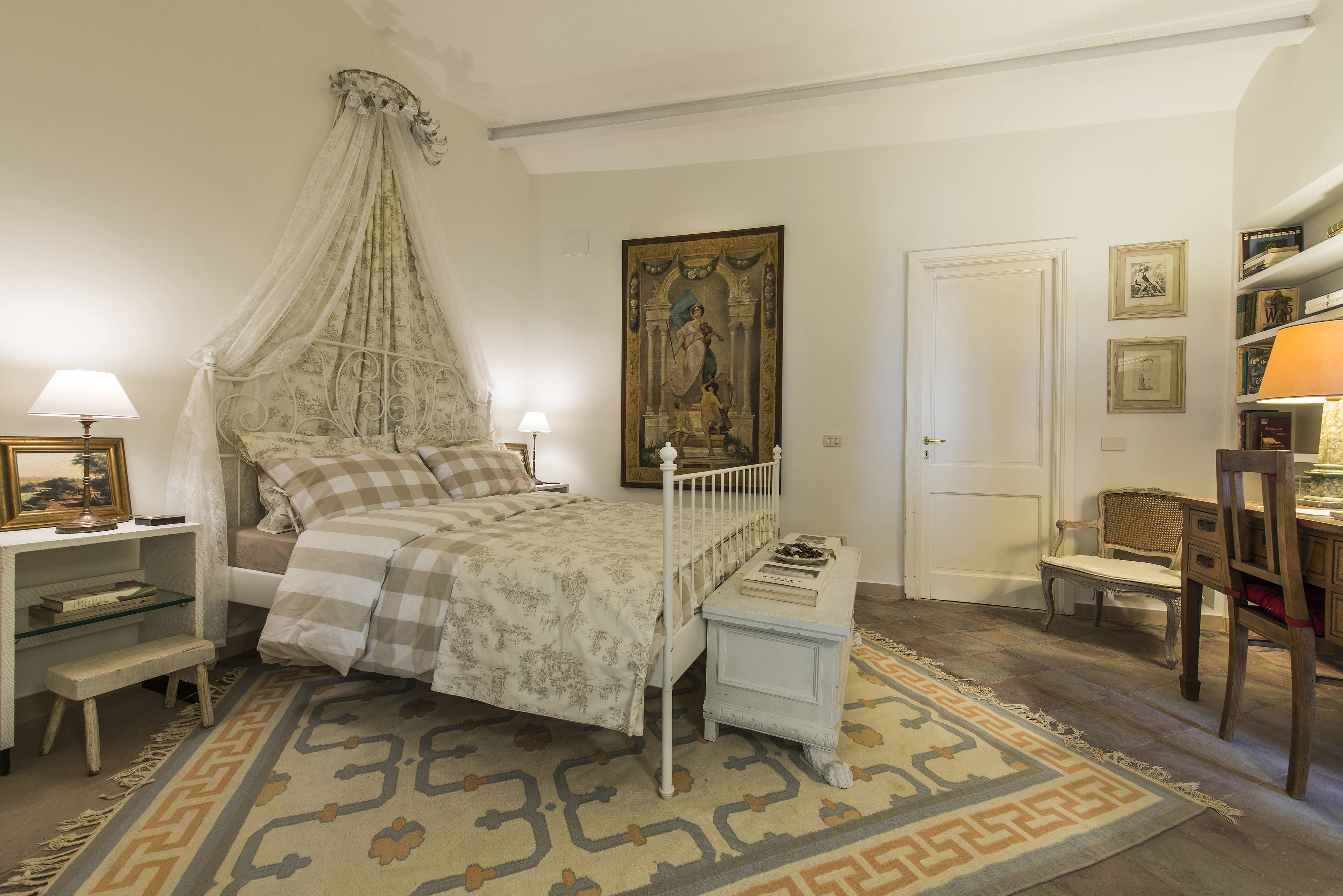
Here’s the rental agency link. http://www.romesweethome.com/Luxury-Two-Bedroom-Trastevere-Botanical-Garden.html
I loved how convenient it was to everything. A great area to be living – right down the block is the “Casa delle Donne”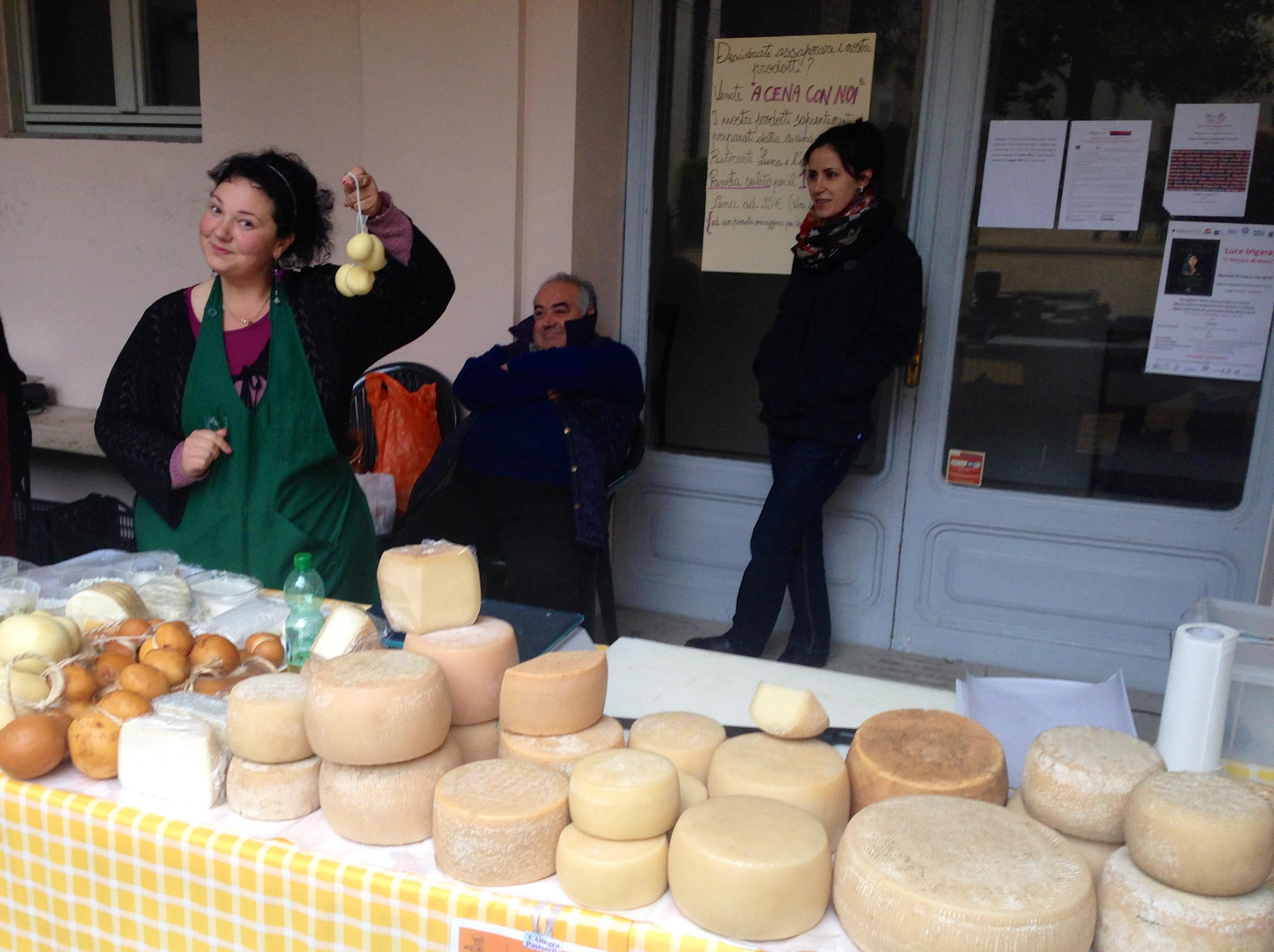 which has home cooked lunches for the public at very reasonable prices. Their lovely garden patio area has a beautiful magnolia tree that is several hundred years old and on Thursdays, they have a fresh market of products from Abruzzo there. And, they have a summer Jazz festival in the garden area all of July with women jazz artists. You are only a few blocks from markets and two blocks from the Botanical Gardens, which are well worth visiting. And, if you are lucky enough to find it available to rent in July, in addition to all the Rome events, there is the Festa de’ Noantri -which dates back to 1535 in Trastevere. It starts off with a procession in honor of the Madonna del Carmine and begins eight days of celebrations with music and street performances, a street race and food, always lots of food.
Whether you rent here or elsewhere, rent early. Summer is a very busy time in Rome. I get so excited about Rome in the summer. It’s hot, and crowded, but it’s Rome! I’ll do some of the other regional summer events in the next blog.
If you want to be added to our mailing list, you can email me at: Expresslyitalian@aol.com or sign up on this site.
Italian Cooking in the United States
This morning I was reading one of the many Italian blogs I subscribe to. There was an article about one of the best known ambassadors of Italian cooking in the U.S., Piero Salvaggio. If you are not familiar with him, he’s credited with the revolution of Italian dining here in the states. He opened Valentino restaurant in Santa Monica in 1972 and it has been a success almost from the beginning . It was that same ‘Italian’ food served throughout the country; heavy sauces, rubbery mozzarella and those straw wrapped Chianti bottles everywhere. In other words, that Italian American cooking that so many still believe is Italian. Then a ‘foodie’ told him that his food was awful and his wines worse. After Piero recovered from his shock, the diner suggested he go to Italy and see what Italian food was really like. Salvaggio took him seriously and made a trip to Italy to see what he had missed since he left Sicily in his early teens.
It was truly an awakening for him to understand what Italian cooking is really about: simplicity and quality. That changed his entire concept at his restaurant and that awareness of the elegance of Italian food has continued since 1979. It has made Valentino’s restaurant one of the highest rated in every food journal for all these years. In fact, Bon Appétit magazine included Valentino it in its “Millennium Special” about the places that changed American dining forever.
Salvaggio was the one who introduced Americans to fresh mozzarella, burrata, real prosciutto, extra virgin olive oil, risotto, balsamic vinegar and white truffles, items on every Italian restaurant menu now, but that were considered exotic back then. It’s amazing to realize how recently all these were not even available in the U.S.
It is always a surprise to me that so many people have not realized how different real Italian cooking is to what we here think of as Italian. Our familiar Italian dishes are really Italian American dishes devised by immigrants who arrived here finding few of the ingredients there were familiar with so they adapted.
I know that for me, living in Italy completely changed not only my concept of Italian food, but my whole way of cooking. Having cooked my whole life I was always considered a very good cook, but this life-changing awareness of the ‘Italian way’ made me a much better cook. It simplified my life, changed my shopping and made preparing meals much faster. It is surely true that many Italian meals can be made in less than half an hour. That’s fast food as far as I’m concerned. And, a much healthier way of eating.
Every region in Italy has it’s own specialties and regional variations. Some are differences only in the shapes of the pastas or some the sauce ingredients and some are the methods of preparation. The consistency seems to be in the use of the ingredients that are local, in season and the freshest available. And, it is okay if the ingredients are basic and simple. And, let nothing go to waste.
In Rome, the traditional pasta dishes of Cucina Romana usually incorporate Pecorino Romano cheese (similar to Parmesan, but saltier and a little sharper in flavor), Guanciale (which is pork jowl) rather than pancetta, peperoncini (chili flakes) and black pepper.
Yep, that with one or two additional ingredients comprise the bulk of their local pasta specialties – Caccio e Pepe, Bucatini all’Amatriciana, Alla Gricia, Arrabbiata and Carbonara. The differences in these sauces are minute. Gricia is Amatriciana without the tomatoes. Carbonara adds eggs to the basic ingredients of Caccio e Pepe. All of them are made in the time it takes to cook the pasta.
Truthfully though, the other end of Roman specialties is offal, which are those parts of the animal that Americans rarely see, let alone eat. Tails, intestines, sweetmeats and all those parts we normally toss are savored in Rome. And then many Roman specialties are fried. Suppli’ al telefono, baccala’ those fabulous (and famous) carciofi alla giudia (artichokes in the Jewish way). But, the defining issue remains always to use the highest quality foods, fresh as possible and cleanly prepared. My mouth is already watering just thinking about some of these things. A lunch of Suppli’ always thrills me.
I do think that Italians, always quick to offer food, confidently know that there are a number of dishes that can be prepared from any Italian kitchen at a moments notice. No planning, no thinking, no shopping. That kind of simplicity is the essence of Italian cooking: use the absolute freshest and best ingredients generously prepared with love. It really is easy and oh, so good.
As an example: When we first were living in Rome we were shopping at a local mall, with a wonderful Italian friend. The conversation of favorite pasta sauces came up (I’ve mentioned that all conversation eventually is about food) and my husband said I still think my all time favorite is spaghetti con vongole (spaghetti with clams). Our friend said “My spaghetti con vongole is the best”. We were about to leave to stop for lunch and our friend, Germana, said “Wait, we go into the market”. We said, sure and followed her into the Carrefour market. She walked to the fish section grabbed a bag of clams and said, “Let’s go. I make lunch”. We were eating some of the best spaghetti con vongole we’ve ever had in less than a half hour. That’s a perfect example of what living around Italians proves: There are many dishes that take no time from thought to mouth; never say you would like to try or eat something in particular unless you do not want it on the table shortly thereafter or the next time you meet; and, never forget that food is love and sharing, from purchase to preparation to eating.
Try making real carbonara. No cream please!
Spaghetti alla Carbonara For 4 people
1 pound of spaghetti
6 ounces guanciale (I do use Trader Joe’s pancetta often)
3/4 cup fresh grated Pecorino Romano cheese (plus more for serving)
4 egg yolks and 1 whole egg
Pepper to taste (cracked pepper is best)
Extra virgin olive oil
Start the water in a large pan for the spaghetti, add a handful (yes, handful) of salt. Remember, pasta water should taste like the sea. When the water is at the rolling boil, add the pasta. Cook the pasta 1 minutes less than the package suggests.
In the meantime, dice (or make strips) of the guanciale and put into a pan on medium heat. Cook slowly till the fat is transparent and the bacon is crispy. (This takes 2 to 3 minutes. Remove from the heat and let it cool slightly.
Put the eggs in a bowl and whisk lightly adding at least half of the cheese and a good sprinkling of pepper. Drain the pasta quickly and add to the bowl along with the guanciale, stirring quickly to mix. Top with the rest of the cheese, more pepper and a drizzle of olive oil and eat.
There is some thought that the American version (using cream) was developed because this is a creamy sauce. But actually, when you add the hot pasta to the eggs, it develops into a creamy sauce that is healthier and tastier than using cream.
Enjoy and buon appetito!
If you are not on our mailing list, please email me and I’ll be happy to add you. I can send you a price list and availability of the products I bring back from Italy. Each season varies and I bring only duty free products. I hope to hear from you.


ROME’S CAMPO DEI FIORI SPICE MAN – MAURO BERARDI
If you’ve ever traveled to Rome you’ve probably made the stop in Campo dei Fiori to see the market there. It’s not the biggest and there’s discussion as to whether’s it’s the oldest and it’s used more by tourists than locals, but it is a special market and well worth the visit. The restaurants around it are good, especially the famous Forno Campo de’ Fiori and Antico Forno Roscioli. The flowers and vegetables are very fresh. And, the spice market booth continues to grow. It seems every visit Mauro and Marco Berardi have spread out a little more. Last month, they have about 25 per cent of the whole market. They have added olive oils, pastas, and even a meat stand, cutting porchetta and mortadella for sandwiches on the spot.
While much of their goods are geared toward the tourist, the spices are pretty much as their business is named “Spezie Famose nel Mondo” – Famous spices of the world. And, famous they are. The Berardi’s have been selling in this market for more than three generations and they are confident and Mauro has made some of the best spice mixes in the world.
Spice mixes are quite popular throughout Europe right now (as well as here in the U.S. However, you need to be pretty aware of what questions to ask, how to tell if they are worth what they cost and how thrilled you are likely to be with them.
You can usually tell if the mixes are fresh by the color of the components. If they are dull and dark, their flavor will be old and stale. If they are packed by a manufacturer, there is little guarantee of what exactly is in the mix. I love Mauro Berardi’s spice mixes because not only does he sell in quantities that pretty much guarantee their freshness, his mixes are freeze dried, cut into quite small components and, most importantly, they are hand mixed. No machines, no gigantic quantities being beat together by a machine which might have been used for almost any product before the mixes are put into their vats. Mauro claims his mixes will stay flavorful for at least two years if kept in the plastic bags he packs them. And, from my personal experience, they do retain full freshness for at least those two years.
People all over the world have looked for Mauro Beardi’s mixes and now they are available through Expressly Italian. Check out our Facebook page or send us an email and we’ll be happy to send you the mixes you’ve been looking for. Much less trouble or cost than flying to Rome to buy them. I agree though, that the trip to Rome is always exciting.
While Expressly Italian does not have all the mixes he offers, I do have the most popular ones. The Campo dei Fiori Mix, which is composed of basil, oregano, parsley, green onions, salt, red pepper flakes, and lots of black pepper. It can be cooked or used as is. This is a great go-to mix to use in almost anything. I often throw it into eggs if I’m cooking them for breakfast. It’s a fabulous addition to a salad; either mixed in the dressing or just a sprinkle over the salad greens before putting on olive oil. And, this mix is fabulous as a pasta sauce. All you need do is warm a little olive oil, a teaspoon or so (you’ll have to try a few times to learn how much spice you like) of the spice mix and heat only a minute or so, add cooked pasta, toss and add grated cheese (Parmigiano Reggiano or Pecorino) and serve. Or, just mix a tablespoon of spice mix into a cup of olive oil and keep it for dipping bread, drizzling on pizza or vegetables. It is really a mix you’ll use on almost everything. All the spice mixes are $4.50 an ounce.
There is Puttanesca Mix, Arrabiatta Mix, Mauro’s Mix (which he says is similar to Campo dei Fiori Mix, but without salt or black pepper); There is also his meat mix, you can use as a rub on almost any meat before grilling or roasting. The Fish Mix is composed of rosemary, sage, pepper and green onions. There is also a “Caccio e Pepe” mix, but it really is simply the finest, freshest, tastiest black pepper you’ll ever find. If you want to make Caccio e Pepe pasta. Cook spaghetti and when it’s nearly finished, heat some olive oil in a saute’ pan. Add a couple teaspoons of the black pepper, a little pasta water. Add the cooked spaghetti stir and quickly add grated pecorino cheese to make a sauce. If it’s a little too tight, add a little additional pasta water till it’s a creamy sauce. Serve it immediately. This is one of Rome’s premiere sauces and for good reason. You can make it any time without any planning or thought.
Need quantities to feel comfortable? Here’s a full recipe that is slightly different – it makes the pasta sauce directly into the serving bowl:
1 pound spaghetti, black pepper and 1 cup (100 grams or so) grated Pecorino cheese.
Bring a tall pot of water to a boil, then add a generous tablespoon of salt to it.
2.Throw the spaghetti pasta in, stir and gently push it under the water. stir the pasta occasionally and maintain a live boil in the water.
3.Cook the pasta about 1 minute less than the package time suggests.
4.Drain the spaghetti, reserving a little of the cooking water, toss immediately in a warm serving bowl and sprinkle the freshly ground black pepper and the grated Pecorino cheese. Mix quickly while adding a few spoonfuls of the reserved cooking water, just enough to moisten and melt the cheese, which will become slightly creamy. Drizzle fresh extra virgin olive oil sparingly over the top and serve.
The wonderful part of learning to cook simple Italian is that the ingredients are the most important part. If you’ve got great spices and a little confidence, you’re more than halfway there. Let the Famous Mauro Berardi’s spice mixes help begin your adventure in cooking with more excitement.
Back to Los Angeles Again

I know a month seems like a long time, but in Italy it goes by very quickly. It was a challenge to get everything I selected back with me, but I did it!
Well, mostly. Some will arrive in July.
As I mentioned in an earlier post, some of the most interesting things I found this trip were in the Maremma area of Tuscany.
If you haven’t visited this area of Tuscany, take the time to do it on your next trip. It’s very special. From it’s historical Etrurian roots and it’s fertile soil, to the still producing olives trees that are over 2,000 years old, it’s fishing ports and beaches, it is a non-touristy, beautiful area full of warm people and really unique ‘prodotti tipici’ (regional products).
I visited Orbetello, Montiano, Talemone, Capalbio and Albinia. I brought back some of that liquid gold, Colatura, which is the essence of anchovy, impossible to find even in other areas of Italy. I also brought Bottarga di muggine; some farro pasta; and some antique legume con ‘occhio. And another rare product: fennel pollen. Fennel pollen is a spice mostly used in Tuscan cooking, not widely known elsewhere. It is really that type of magical ingredient that can add a layer of flavor that takes a dish from good to great. Fennel pollen has notes of licorice, citrus and a feeling of soft subtlety. You can use the pollen to season meat with a dry rub of salt, or sprinkle on just before serving. Light summery soups, gain headiness and depth with a light sprinkle at the table. In colder months, roasted vegetables are enhanced by a sprinkling of fennel pollen while they are roasting. The real trick with fennel pollen is not to overuse it. A little really does go a long way, and even a pinch may be too much. Go slowly, adding just a dash with care, and use it mostly towards the very end of cooking so as to preserve its delicate flavor. The fennel pollen I brought back is fine and pure, and there is also hand packed one is even more rare with absolutely no grit, just powdery flavor.
There are also some condiments made especially for Tuscan style cooking, that rustic, simple but hearty real food they do so well. I have ‘conserva di buttero’ (Buttero is the Tuscan cowboy who herds the cattle in the area). It’s beautiful in color, rich in flavor and a perfect complement to meats or served along with cheese (especially Pecorino or Parmigiano). It’s got peaches, peppers, red pepper flakes, lemon juice, apple vinegar and a little sugar in it. Really tasty and a little piquant.
While I got some great preserved black truffles in Umbria, I found some thinly sliced summer black truffles preseved in oil in Capalbio that would be fabulous with eggs, or over meat or just on toast, or with almost anything.

One of the true secrets of Italian cooking is that you don’t need to use great quantities of the flavors. They are most effective when used in balance. A touch of an herb, or a dash of a condiment is all that is necessary. Subtle but dramatic taste additions make memorable dishes.
If you want any of these items or have any questions about these or any of the typical products of this area, please email me at expresslyitalian@aol.com and I’ll be happy to add you to our mailing list for our offerings or shop for you on my next trip for products you may already know.
While we still have months to wait for new harvest olive oils, I do have olive oil from Montiano and Tivoli now. Both are fresh, and fabulous tasting. These are really special and if you’re not familiar with pure, fresh extra virgin olive oil, these are really so noticeably different than grocery store olive oils, you’ll never go back. But be aware, these are not for everyday cooking, or making common salad dressings, they are to be prized. They are perfect for the splash of olive oil to brighten all the flavors in a dish just before serving. Or to dress a salad with just a little lemon juice and the olive oil. Treat yourself. You deserve the best and these truly are.
And, lastly, there is agrodolce available. Agrodolce is a sweet sour sauce used in many Italian dishes. While it usually is traced back to first being used in Sicilian cooking, each region has developed its own take on this gastrique type sauce. Agrodolce can be used as a finishing sauce for a variety of dishes. Often it is used as a glaze or dipping sauce with antipasti. It is also a great addition to the cheese board for both mild and strong cheeses. And, of course, it’s great as a sauce on all kinds of meats. I have raspberry agrodolce as well as blackberry. Both are fantastic.

- ← Previous
- 1
- …
- 4
- 5
- 6
- Next →
 Expressly Italian